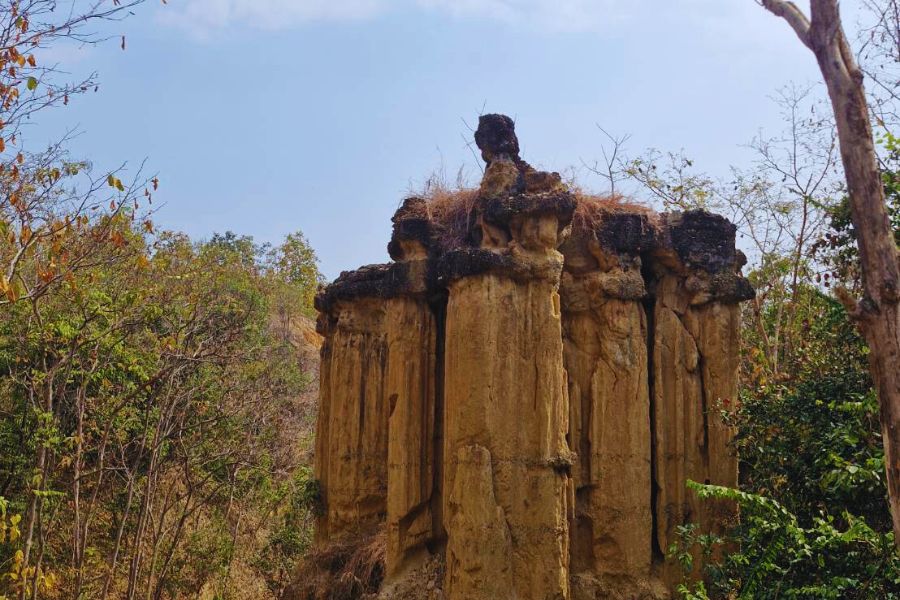
Northern Thailand is one of the best regions in Southeast Asia for slow travel. Instead of rushing between attractions, this itinerary focuses on spending meaningful time in each destination while enjoying the region’s mountain scenery, cafés, temples, and local culture at a comfortable pace.
Designed for first-time visitors and independent travelers, this 7-day route combines three of Northern Thailand’s most rewarding destinations: Chiang Mai, Pai, and Chiang Rai.
The schedule intentionally leaves room for rest, flexible afternoons, and unplanned moments — an approach that often creates a far more memorable trip than trying to see everything in a single week.
Why Choose Slow Travel in Northern Thailand?
Northern Thailand naturally suits slower-paced travel thanks to its relaxed atmosphere, mountain landscapes, café culture, and manageable travel distances.
This style of travel works particularly well for:
- First-time visitors who prefer flexibility over strict schedules
- Travelers combining culture and nature
- Digital nomads or remote workers
- Couples seeking a relaxed itinerary
- Visitors wanting fewer hotel changes
Rather than filling every day with activities, this itinerary focuses on one main experience per day with optional secondary stops.
Overview of the 7-Day Route
| Day | Destination | Main Focus |
|---|---|---|
| Day 1 | Chiang Mai | Old City and temples |
| Day 2 | Chiang Mai | Cultural experience or relaxation |
| Day 3 | Chiang Mai | Doi Suthep and countryside |
| Day 4 | Pai | Scenic mountain transfer |
| Day 5 | Pai | Nature and slow exploration |
| Day 6 | Chiang Rai | Scenic travel day |
| Day 7 | Chiang Rai | White Temple and local cafés |
Day 1: Chiang Mai Old City and Temples
Begin the trip with a gentle introduction to Northern Thailand in Chiang Mai. The Old City remains one of the most walkable and enjoyable areas in the country, especially for travelers who prefer relaxed exploration.
Spend the day wandering through quiet lanes, local cafés, and historic temples rather than trying to visit every major attraction.
Recommended stops include:
- Wat Chedi Luang
- Wat Phra Singh
- Tha Phae Gate area
- Small cafés around the Old City moat
Typical daily costs:
| Item | Estimated Cost |
|---|---|
| Temple entrance fees | THB 40–100 |
| Coffee or café break | THB 70–150 |
| Local dinner | THB 80–250 |
In the evening, keep plans flexible. A relaxed market visit or riverside dinner works better than trying to schedule multiple activities after a long travel day.
Day 2: Chiang Mai at an Easy Pace
Use the second day for one meaningful experience rather than a packed sightseeing schedule.
Popular slow-travel activities include:
- Ethical elephant sanctuary visits
- Northern Thai cooking classes
- Traditional massage and wellness experiences
- Café hopping in Nimmanhaemin
- Local artisan workshops
Most half-day activities cost approximately:
| Activity | Estimated Cost |
|---|---|
| Cooking class | THB 900–1,500 |
| Ethical elephant sanctuary | THB 2,000–3,500 |
| Traditional Thai massage | THB 250–500 |
Leave the remainder of the day open. One of Chiang Mai’s strengths is its atmosphere rather than its checklist of attractions.
Day 3: Doi Suthep and the Countryside
No first trip to Northern Thailand feels complete without visiting Wat Phra That Doi Suthep.
Located on the mountains overlooking Chiang Mai, the temple offers panoramic city views and cooler temperatures compared to the city center.
Transportation options:
| Method | Travel Time | Estimated Cost |
|---|---|---|
| Shared songthaew | 45–60 minutes | THB 80–150 |
| Private taxi | 35–45 minutes | THB 500–800 |
| Scooter rental | 40–50 minutes | THB 250–400 per day |
After visiting the temple, avoid overloading the afternoon. A countryside café, botanical garden, or quiet neighborhood walk fits the slower rhythm of the itinerary much better.
Day 4: Chiang Mai to Pai
The journey to Pai is part of the experience itself.
The mountain road between Chiang Mai and Pai contains more than 700 curves and usually takes around 3 to 4 hours depending on weather and traffic.
Transportation options:
| Method | Travel Time | Estimated Cost |
|---|---|---|
| Shared minivan | 3–4 hours | THB 150–300 |
| Private transfer | 3–4 hours | THB 2,500–4,000 |
| Rental car | Flexible | THB 1,000–1,800 per day |
Travel tips:
- Morning departures are usually more comfortable
- Motion sickness medication may help sensitive travelers
- Book transportation early during November–February
Once in Pai, keep the evening relaxed. The town is best enjoyed slowly through cafés, riverside restaurants, and quiet nighttime walks.
Day 5: Pai Scenery and Downtime
Pai works best when travelers avoid trying to visit every viewpoint and waterfall in a single day.
Choose only two or three relaxed stops such as:
- Pai Canyon
- Local hot springs
- Bamboo Bridge areas
- Pai Walking Street
- Riverside cafés
Estimated daily expenses:
| Item | Estimated Cost |
|---|---|
| Scooter rental | THB 250–400 |
| Hot spring entry | THB 100–300 |
| Street food dinner | THB 60–150 |
Sunset at Pai Canyon remains one of the area’s highlights, although early evening visits are often more enjoyable than arriving during peak crowds.
Day 6: Pai to Chiang Rai
Travel days are an important part of slow travel, especially in Northern Thailand where mountain scenery often becomes part of the experience.
Reaching Chiang Rai from Pai usually requires either:
- A direct private transfer
- Returning through Chiang Mai before continuing north
- Breaking the journey overnight in Chiang Mai
Approximate travel times:
| Route | Duration |
|---|---|
| Pai → Chiang Rai direct transfer | 6–8 hours |
| Pai → Chiang Mai → Chiang Rai | 8–10 hours total |
Although the journey is longer, Chiang Rai offers a noticeably calmer atmosphere than Chiang Mai, making it an excellent final stop before departure.
Keep the evening quiet after arrival with a riverside dinner or café visit.
Day 7: Chiang Rai Highlights
Spend the final day exploring a few highlights without rushing between multiple attractions.
The main stop is usually Wat Rong Khun, commonly known as the White Temple.
Suggested pace for the day:
Morning:
- Visit Wat Rong Khun early before crowds increase
Afternoon:
- Relax at a countryside café
- Explore Singha Park
- Visit a local market or riverside area
Estimated costs:
| Item | Estimated Cost |
|---|---|
| White Temple entry | THB 100 |
| Local transportation | THB 100–500 |
| Café and meals | THB 150–400 |
Chiang Rai’s slower rhythm makes it a comfortable place to finish the itinerary before flying onward or returning to Bangkok.
Suggested Budget for 7 Days
| Travel Style | Estimated Budget |
|---|---|
| Budget traveler | THB 10,000–16,000 |
| Mid-range traveler | THB 18,000–35,000 |
| Comfortable slow travel | THB 40,000+ |
This estimate includes accommodation, transportation, food, and moderate sightseeing.
Best Time for This Itinerary
| Season | Conditions |
|---|---|
| November–February | Cool weather and best scenery |
| March–April | Hot season with possible smoke pollution |
| May–October | Green landscapes and fewer tourists |
The cool season is generally the most comfortable for slower-paced travel and mountain scenery.
Slow Travel Tips for Northern Thailand
- Limit each day to one major activity
- Schedule buffer time between destinations
- Avoid changing hotels every night
- Prioritize cafés, local neighborhoods, and evening markets
- Book Pai transportation early during peak season
- Leave some afternoons intentionally unscheduled
The appeal of Northern Thailand often comes from its atmosphere rather than its major attractions alone.
Final Thoughts
A slower itinerary through Northern Thailand allows travelers to experience the region beyond quick sightseeing stops. By spending meaningful time in Chiang Mai, Pai, and Chiang Rai, visitors can enjoy mountain landscapes, local culture, and relaxed daily rhythms without the exhaustion that often comes from rushed travel.
For many travelers, Northern Thailand becomes most memorable not because of how much they saw, but because they had enough time to genuinely enjoy where they were.
FAQs
1. Is 7 days enough for Northern Thailand?
Yes. Seven days is enough for a relaxed introduction to Chiang Mai, Pai, and Chiang Rai without rushing excessively between destinations.
2. What is the best month for this itinerary?
November to February is generally considered the best period thanks to cooler temperatures and clearer weather.
3. Is Pai worth visiting for first-time travelers?
Yes. Pai offers a slower atmosphere, mountain scenery, cafés, and relaxed nightlife that contrasts well with Chiang Mai.
4. How difficult is the road to Pai?
The route is winding with many curves. Travelers prone to motion sickness should prepare accordingly.
5. Should travelers rent a scooter in Pai?
Scooters are common in Pai, but only experienced riders should drive mountain roads. Alternative local transport is available.
6. Is Chiang Rai better as a day trip or overnight stay?
An overnight stay is recommended because Chiang Rai has a quieter atmosphere that suits slower travel better than a rushed day trip.
7. How much should travelers budget per day?
Budget travelers can manage around THB 1,500–2,500 daily, while mid-range travelers often spend THB 3,000–5,000 per day.
8. Can this itinerary work without driving?
Yes. Public transport, shared minivans, and private transfers connect all major destinations in Northern Thailand.
9. Is Northern Thailand suitable during the rainy season?
Yes. Rainy season travel offers greener landscapes and fewer crowds, although transportation may occasionally take longer.
10. What is the biggest mistake travelers make in Northern Thailand?
Trying to visit too many places too quickly. Northern Thailand is usually more rewarding when explored at a slower pace.
For a Complete Travel Guide
For more detailed information on transportation options, booking tips, itinerary suggestions, and everything you need to know about planning your trip, visit our full guide:
