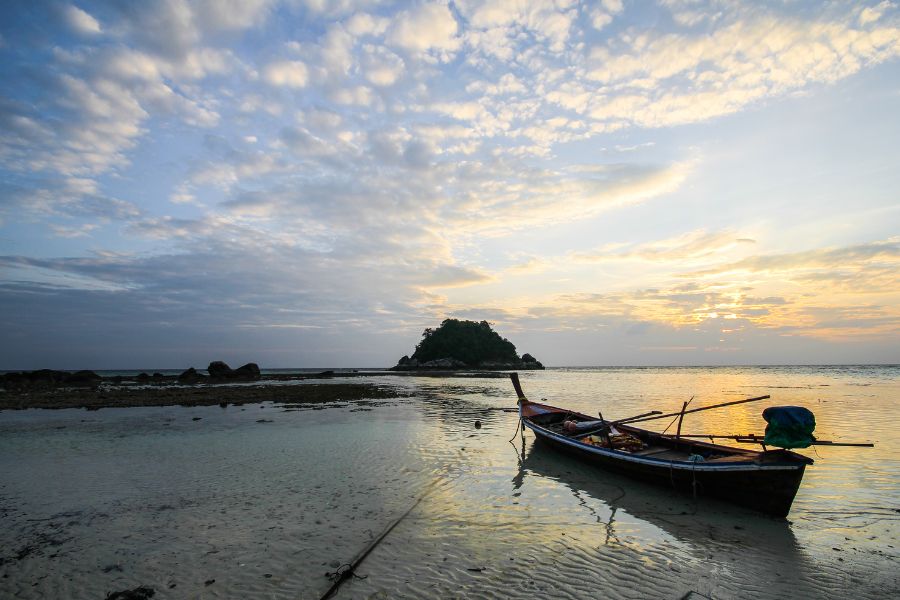
Traveling from Hat Yai to Koh Lipe involves a cultural transition—from a Muslim-majority southern hub to a relaxed island with strong Thai-Buddhist influences and a local sea-gypsy heritage. While Koh Lipe is tourist-friendly, respectful behavior remains essential throughout the journey.
This guide outlines the key etiquette points to help you travel smoothly and respectfully.
1. Understanding Cultural Context
Hat Yai (Mainland – Conservative Influence)
- Located in southern Thailand, with a significant Muslim population
- More conservative dress and behavior expected in public spaces
Koh Lipe (Island – Relaxed but Respectful)
- Predominantly Thai-Buddhist culture
- Home to the Urak Lawoi (Chao Ley) sea-gypsy community
- More relaxed dress standards, but modesty still matters in non-beach areas
2. General Thai Etiquette
Greetings and Social Norms
- A polite greeting such as “Sawadee ka” (female) or “Sawadee krap” (male) is appreciated
- The traditional wai (hands together, slight bow) may be returned but is not required for tourists
- Smiling and maintaining a calm demeanor are highly valued
Respect for Monarchy and Religion
- Thailand has strict laws regarding the monarchy—avoid any criticism or negative remarks
- Show respect toward religious symbols, Buddha images, and temples
Head and Feet Etiquette
- The head is considered sacred—avoid touching anyone’s head
- The feet are considered the lowest part of the body:
- Do not point feet at people or religious objects
- Avoid placing feet on chairs or tables
3. Dress Code: From Hat Yai to the Island
In Hat Yai
- Dress modestly in public areas:
- Cover shoulders and knees in markets, transport hubs, and shops
- Lightweight, breathable clothing is recommended due to the heat
During Transport (Minivan + Ferry)
- Casual clothing is acceptable, but avoid:
- Revealing tops
- Very short shorts
- Swimwear in public transport settings
4. Dress Code on Koh Lipe
Beaches
- Swimwear is acceptable on the beach only
In Town and Public Areas
- Cover up when:
- Walking through streets
- Entering restaurants, cafes, or shops
- A sarong or light cover-up is highly practical
Visiting Temples or Shrines
- Wear clothing that:
- Covers shoulders
- Extends to at least knee length
- Remove shoes before entering temple buildings when required
5. Respecting Local Communities
Urak Lawoi (Sea Gypsy) Village
- Located mainly around Pattaya Beach
- When visiting:
- Ask permission before taking photos
- Avoid intrusive behavior
- Respect daily life and privacy
Photography Etiquette
- Always ask before taking close-up photos of individuals
- Be especially respectful in villages and religious settings
6. Behavior and Social Conduct
Noise and Public Behavior
- Keep noise levels low, particularly at night
- Avoid loud music in accommodations or public beach areas
Alcohol and Legal Awareness
- Moderate drinking is acceptable, but:
- Public intoxication is discouraged
- Drug laws are strict, with severe penalties
7. Environmental Responsibility
Koh Lipe is known for its fragile marine ecosystem.
- Do not litter—use designated bins
- Avoid single-use plastics where possible
- Do not touch or stand on coral reefs
- Use reef-safe sunscreen when snorkeling
8. Money, Language, and Practical Tips
Cash and Payments
- Bring sufficient Thai Baht (THB):
- Small businesses and boats may not accept cards
- ATMs are limited and may charge higher fees
Useful Thai Phrases
- Sawadee ka/krap – Hello
- Khop khun – Thank you
- Mai pen rai – It’s okay / no problem
Moving Around Fishing Areas
- Walk carefully near boats and docks
- Avoid blocking pathways or interfering with local work
Conclusion
Traveling from Hat Yai to Koh Lipe offers not just a scenic journey, but also a meaningful cultural experience. Respecting local customs—through modest dress, polite interaction, and environmental awareness—enhances both your trip and the communities you visit.
FAQs: Cultural Etiquette for Hat Yai to Koh Lipe
1. Do I need to dress conservatively in Hat Yai?
Yes. Covering shoulders and knees is recommended in public areas due to the region’s cultural norms.
2. Can I wear swimwear around Koh Lipe town?
No. Swimwear is acceptable only on beaches. Always cover up in town, restaurants, and shops.
3. Is it necessary to perform the wai greeting?
No. A polite smile and verbal greeting are sufficient for most travelers.
4. Are there strict rules about the Thai monarchy?
Yes. Any negative comments about the monarchy are illegal and taken very seriously.
5. Can I drink alcohol on Koh Lipe?
Yes, but moderation is expected. Public drunkenness is discouraged.
6. Are drugs tolerated on the island?
No. Thailand has strict anti-drug laws with severe penalties.
7. Is it okay to take photos of locals?
Only with permission, especially in local villages and sensitive areas.
8. Do I need cash on Koh Lipe?
Yes. Many small businesses accept cash only. Carry enough Thai Baht.
9. What should I wear when visiting a temple?
Clothing should cover shoulders and knees. Shoes must be removed before entering.
10. How can I help protect the environment on Koh Lipe?
Avoid littering, do not touch coral reefs, and reduce plastic use whenever possible.
For a Complete Travel Guide
For more detailed information on transportation options, booking tips, itinerary suggestions, and everything you need to know about planning your trip, visit our full guide:
