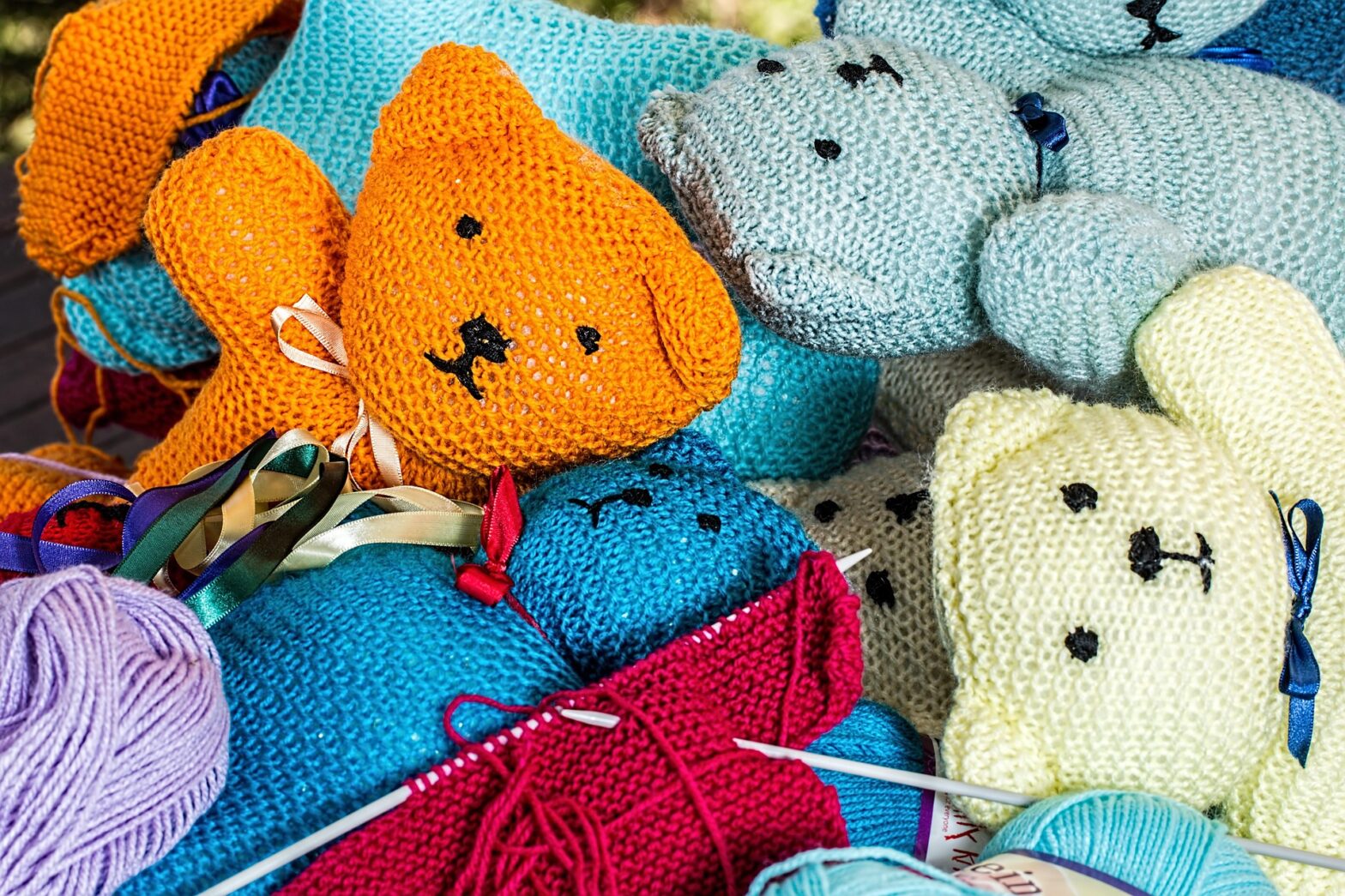
Located within Tarutao National Marine Park, Koh Lipe is widely known for its beaches—but beyond the shoreline, the island offers a distinctive cultural experience through its handmade crafts. Along the lively Walking Street, visitors can discover artisan goods deeply rooted in the traditions of the Urak Lawoi (often referred to as “sea gypsies”).
These crafts are not only souvenirs but also reflections of island life, sustainability, and local identity.
What Makes Koh Lipe Crafts Unique?
Koh Lipe’s artisan scene stands out for three key reasons:
- Cultural authenticity: Many items are handmade by the Urak Lawoi community using traditional techniques passed down through generations.
- Natural materials: Crafts commonly incorporate shells, coral fragments (ethically sourced), rattan, beads, and palm leaves.
- Sustainability focus: Small-scale production supports local livelihoods and reduces reliance on imported mass-produced goods.
For first-time visitors, this creates an opportunity to purchase meaningful souvenirs while contributing directly to the island’s local economy.
Popular Handmade Crafts to Look For
1. Handmade Jewelry
Lightweight, practical, and designed for island life, jewelry is one of the most popular items.
- Necklaces, bracelets, and earrings made from shells and stones
- Waterproof designs suitable for swimming and beach wear
- Typically priced between THB 100–500, depending on complexity
Look for independent artisan brands such as:
- Namaste Made in Lipe
- Isla Soul
These vendors are known for one-of-a-kind, handcrafted pieces.
2. Woven Goods
Traditional weaving techniques are still actively practiced on the island.
- Handwoven baskets, handbags, and beach totes
- Mats made from palm leaves or rattan
- Durable and eco-friendly materials
These items are ideal for travelers seeking practical yet culturally meaningful products.
3. Batik and Textiles
Batik is a traditional wax-resist dyeing method widely used across Thailand.
- Scarves, sarongs, and fabric pieces with Thai-inspired patterns
- Some vendors offer small workshops or demonstrations
- Prices vary depending on size and craftsmanship
These textiles make excellent gifts due to their artistic and cultural value.
Where to Shop on Koh Lipe
Walking Street
The island’s central shopping hub and night market is the best place to explore local crafts.
What to expect:
- Most artisan stalls open in the late afternoon until around 10 PM
- A mix of jewelry, textiles, souvenirs, and handmade accessories
- Small independent vendors rather than large retail stores
Notable spots:
- Namaste Made in Lipe – jewelry and small handmade souvenirs
- Isla Soul – artisan jewelry near popular nightlife areas
Pricing and Bargaining
| Item Type | Typical Price Range |
|---|---|
| Handmade jewelry | THB 100–500 |
| Woven bags/baskets | THB 300–800 |
| Batik textiles | THB 200–1,000+ |
Bargaining tips:
- Light negotiation is common, but remain respectful
- Prices are generally fair due to handmade production
- Buying multiple items may allow small discounts
Practical Tips for First-Time Buyers
- Choose authentic products: Look for signs such as “handmade by locals” or visible crafting techniques
- Avoid mass-produced imports: Some stalls may sell factory-made goods—check material quality and uniqueness
- Prioritize sustainability: Opt for natural dyes and responsibly sourced materials
- Pack smart: Select lightweight, compact items for easier travel between islands
- Support local communities: Purchasing directly from artisans helps sustain traditional livelihoods
Final Thoughts
Shopping for handmade crafts in Koh Lipe is more than a casual market visit—it is a cultural experience tied closely to the island’s identity. By choosing locally made products, visitors not only bring home unique souvenirs but also contribute to preserving the traditions of the Urak Lawoi community.
FAQs: Handmade Crafts from Koh Lipe
1. Where can I buy handmade crafts on Koh Lipe?
The best place is Walking Street, especially in the evening when most stalls are open.
2. Are the crafts really handmade?
Many are, particularly those sold by small vendors. Look for visible craftsmanship and locally sourced materials.
3. How much should I budget for souvenirs?
Most items range from THB 100 to THB 1,000, depending on size and quality.
4. Is bargaining acceptable?
Yes, but it should be done politely and modestly.
5. What is the most popular item to buy?
Handmade jewelry is the most common and affordable option.
6. Are there eco-friendly souvenirs available?
Yes, many crafts use natural materials like rattan, shells, and palm leaves.
7. Can I find unique gifts for friends and family?
Yes, especially jewelry and batik textiles, which are often one-of-a-kind.
8. What time do shops open on Walking Street?
Most stalls open in the late afternoon and stay open until around 10 PM.
9. Are there workshops for making crafts?
Some vendors occasionally offer batik or craft demonstrations, though availability varies.
10. How can I avoid buying mass-produced items?
Check for irregularities (a sign of handmade work), ask the seller about the origin, and prioritize smaller stalls.
For a Complete Travel Guide
For more detailed information on transportation options, booking tips, itinerary suggestions, and everything you need to know about planning your trip, visit our full guide:
