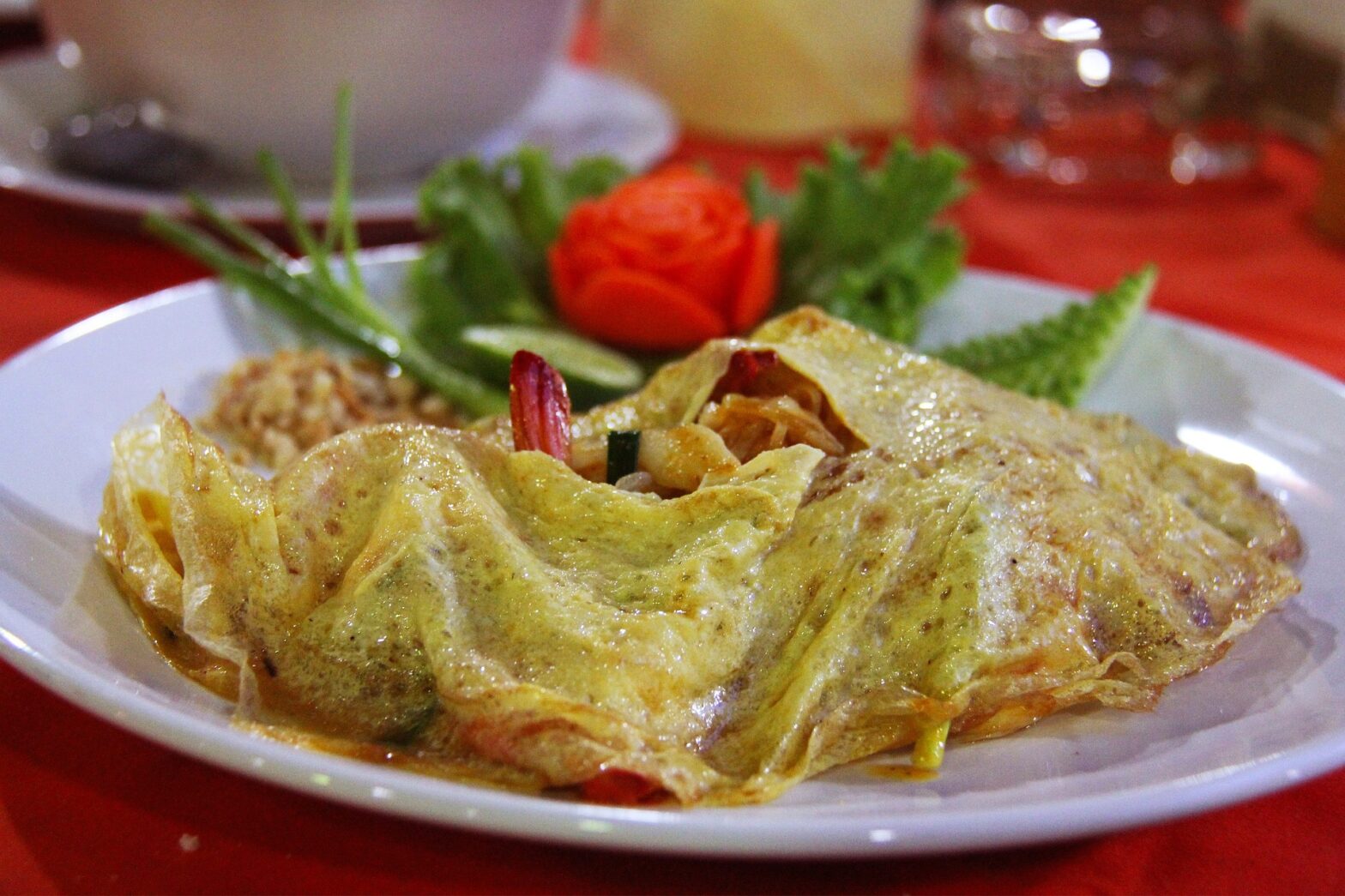
While only a few hours apart, the culinary landscapes of Hat Yai and Koh Lipe offer vastly different experiences. Hat Yai serves as a bustling inland gateway defined by its multicultural heritage, whereas Koh Lipe provides a specialized island menu centered on the Andaman Sea.
For first-time visitors, understanding these distinctions in style, variety, and cost is essential for planning a balanced itinerary.
Base Styles and Cultural Influences
Hat Yai: A Multicultural Melting Pot
As a major commercial hub near the Malaysian border, Hat Yai’s cuisine is a rich fusion of Southern Thai, Malay-Muslim, and Chinese-Teochew traditions. The food scene here is deeply rooted in local daily life rather than tourism.
- Signature Flavors: Expect bold spices, turmeric-heavy curries, and the savory-sweet notes of Chinese-Thai fusion.
- Key Influences: The city is famous for its Thai-Muslim street food and traditional Teochew-style breakfast spots.
Koh Lipe: Island Freshness and Global Fusion
Koh Lipe’s culinary identity is shaped by its geography and its status as a premier vacation destination. The focus is split between the “bounty of the sea” and international comfort foods.
- Signature Flavors: Freshly caught seafood takes center stage, often prepared simply with lime, chili, and garlic to highlight the quality of the catch.
- Key Influences: A significant tilt toward Western-style dining, including Italian, Indian, and Mediterranean options, caters to the diverse international crowd.
Culinary Variety and Atmosphere
Hat Yai: Authentic Urban Street Life
The variety in Hat Yai is immense, spanning from high-end air-conditioned cafes to historic shophouses.
- Local Classics: You will find Hat Yai Fried Chicken (famous for its crispy shallots), Thai-style Dim Sum, and Bak Kut Teh (pork rib broth) which is a nod to nearby Malaysia.
- The Vibe: Dining here feels “real.” You will eat alongside locals at bustling markets or long-running family eateries that have served the same recipes for decades.
Koh Lipe: Tourist-Curated Experiences
On the island, the menu is carefully curated for the traveler’s palate. Walking Street is the primary artery for dining, lined with vibrant displays of ice-chilled fish and prawns.
- Variety: While authentic Thai food is available, it often shares space with wood-fired pizzas, smoothie bowls, and gourmet burgers.
- The Vibe: Dining is seasonal and leisure-oriented. During the peak season (November to April), the island is a culinary festival, though many independent stalls may close or reduce hours during the monsoon months.
Price and Practicality
| Feature | Hat Yai (Inland City) | Koh Lipe (Island) |
| Average Street Meal | THB 45 – THB 80 | THB 100 – THB 180 |
| Mid-Range Dinner | THB 200 – THB 400 | THB 500 – THB 900 |
| 7-Eleven Prices | Standard Mainland Rates | 1.5x to 2x Markup |
| Seafood Cost | Affordable (Local Markets) | Premium (Tourist Pricing) |
Pro Tip: Because Koh Lipe is a remote island, all supplies—including fresh water and fuel—must be shipped in by boat. This logistical challenge reflects in the higher menu prices compared to the mainland.
Frequently Asked Questions
- Is it much more expensive to eat on Koh Lipe? Yes. Expect to pay roughly 30% to 50% more for basic Thai dishes on the island compared to Hat Yai due to transportation costs.
- Can I find Halal food in both locations? Hat Yai has an abundance of Halal options due to its large Muslim population. On Koh Lipe, Halal food is available but less prevalent; look for stalls run by the local Urak Lawoi community.
- What is the “must-try” dish in Hat Yai? Gai Tod Hat Yai (Fried Chicken). It is distinct for its coriander-garlic marinade and a generous topping of crispy fried shallots.
- Is the seafood fresher in Koh Lipe? Generally, yes. Many restaurants on Koh Lipe source their catch daily from local fishermen, whereas Hat Yai seafood is often transported from the coast.
- Are there vegetarian/vegan options? Hat Yai has several dedicated Chinese-style vegetarian restaurants. Koh Lipe offers many “tourist-friendly” vegan options like smoothie bowls and avocado toast.
- Can I drink the tap water? No. In both locations, you should stick to bottled or filtered water. On Koh Lipe, water is even more precious, so use it sparingly.
- Do restaurants on Koh Lipe accept credit cards? Larger resorts and high-end restaurants do, but many small stalls on Walking Street are cash only. Hat Yai is more modernized with QR payments and card acceptance.
- What is a typical breakfast in Hat Yai? Locals often enjoy Dim Sum or Roti with Curry paired with strong Thai coffee (Kopi).
- Are there international food chains on the island? There are no major international fast-food chains on Koh Lipe, though 7-Eleven is present. Hat Yai has a full range of global brands and malls.
- When is the best time for foodies to visit? November to March is ideal. In Hat Yai, the markets are thriving, and in Koh Lipe, all specialized tourist restaurants are open for the high season.
For a Complete Travel Guide
For more detailed information on transportation options, booking tips, itinerary suggestions, and everything you need to know about planning your trip, visit our full guide:
