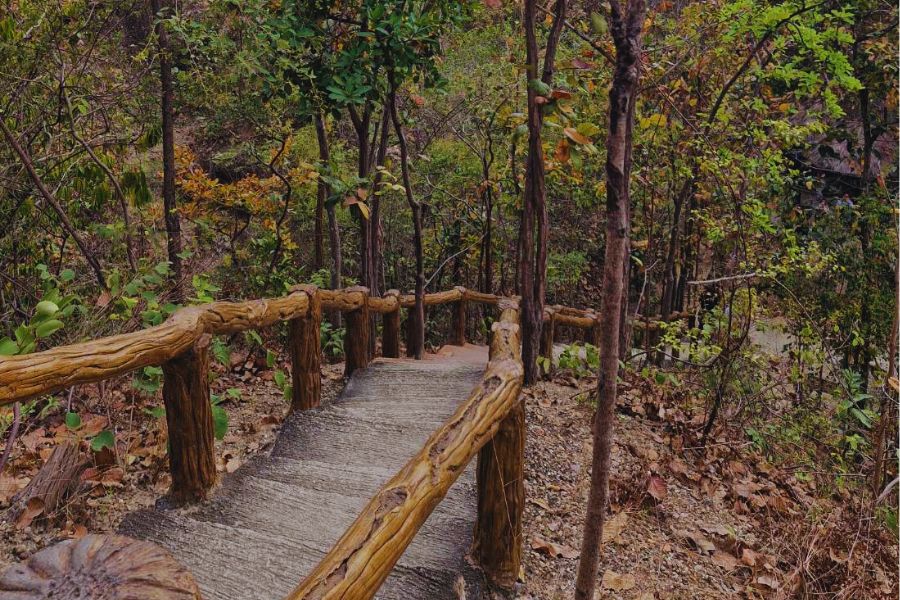
The journey from Chiang Mai to Pai along Route 1095 is one of northern Thailand’s most talked-about travel experiences. Covering approximately 135 km, this mountain road is defined by its 762 sharp curves, dramatic elevation changes, and panoramic jungle scenery.
For first-time visitors, the trip can feel like a paradox—simultaneously breathtaking and physically demanding. Understanding what to expect is essential for planning a comfortable and enjoyable journey.
Overview of Route 1095
| Key Detail | Information |
|---|---|
| Distance | ~135 km |
| Travel Time | 3–4 hours |
| Number of Curves | 762 |
| Elevation Range | ~300 m to 1,200 m |
| Typical Minibus Fare | THB 150 |
The road is fully paved and generally well-maintained as of 2026, with guardrails installed in most high-risk sections. However, narrow lanes, blind corners, and frequent minibus traffic require constant attention.
What the Journey Feels Like
1. A Continuous Series of Hairpin Turns
The defining feature of this route is its relentless sequence of tight bends and U-turns. Unlike typical mountain drives with occasional curves, Route 1095 offers non-stop directional changes that can feel like an extended rollercoaster.
- Sudden turns demand frequent braking and acceleration
- Passengers often experience repeated lateral motion
- Drivers must maintain full concentration throughout
2. Noticeable Elevation Changes
The road climbs from lowland areas into cooler mountain terrain:
- Start: ~300 meters above sea level
- Peak sections: up to ~1,200 meters
As you ascend, expect:
- Cooler temperatures
- Occasional fog or mist
- Expansive views of forested valleys
These scenic moments provide brief relief from the intensity of the road.
3. Different Experiences by Transport Type
Minibus (Most Common Option)
- Travel time: 3–4 hours
- Cost: THB 150
- Experience:
- Quick but often jerky and tightly packed
- Frequent acceleration and braking intensify motion sickness
- Vomit bags are commonly provided onboard
Scooter or Motorbike
- Recommended engine size: 150cc or higher
- Experience:
- Greater freedom to stop at viewpoints
- Requires strong riding skills and endurance
- Steep inclines and sharp turns demand constant focus
Private Car
- Experience:
- Most comfortable option
- Allows flexible stops and smoother driving pace
- Ideal for travelers prone to motion sickness
Common Traveler Challenges
Motion Sickness
This is the most frequently reported issue.
- Symptoms: dizziness, nausea, headaches
- Often begins within the first hour
- More severe in minibuses due to limited visibility and airflow
Physical Fatigue
- Continuous turning leads to mental and physical strain
- Scooter riders report hand, shoulder, and back fatigue
- Drivers must remain alert for the entire journey
Road Conditions & Traffic
- Generally smooth pavement
- Narrow sections in mountainous areas
- Regular traffic from minibuses and local vehicles
Practical Tips for a Smoother Journey
Before Departure
- Take motion sickness medication 30 minutes in advance
- Avoid heavy meals
- Stay hydrated but do not overconsume liquids
During the Journey
- Sit in the front seat (best for visibility and stability)
- Focus on the horizon rather than screens
- Use acupressure bands or ginger remedies if helpful
For Scooter Riders
- Ensure full fuel before departure
- Maintain left-lane discipline
- Avoid overtaking on blind curves
- Take regular breaks at viewpoints
Is It Worth It?
Despite the physical challenges, many travelers describe arriving in Pai as a rewarding milestone. The contrast between the demanding journey and Pai’s relaxed atmosphere creates a strong sense of accomplishment.
The experience is not universally enjoyable—but with preparation, it can shift from a difficult ride to a memorable part of your northern Thailand itinerary.
FAQs: 762 Curves to Pai
- How long does it take to travel from Chiang Mai to Pai?
Typically 3 to 4 hours, depending on traffic and stops. - How much does a minibus cost?
Standard fares are around THB 150. - Is the road dangerous?
The road is paved and maintained, but sharp curves and narrow sections require caution. - Do all travelers experience motion sickness?
Not everyone, but it is very common, especially in minibuses. - What is the best seat in a minibus?
The front passenger seat offers the least motion discomfort. - Is it safe to ride a scooter to Pai?
Yes, for experienced riders. A 150cc or larger bike is recommended. - Are there rest stops along the way?
Yes, several viewpoints and small shops allow short breaks. - What time of day is best to travel?
Morning departures typically offer cooler temperatures and clearer visibility. - Can children or elderly travelers handle the journey?
Yes, but extra preparation for motion sickness is strongly advised. - Is hiring a private car worth it?
For comfort and flexibility, especially for sensitive travelers, it is often the best option.
For a Complete Travel Guide
For more detailed information on transportation options, booking tips, itinerary suggestions, and everything you need to know about planning your trip, visit our full guide:
