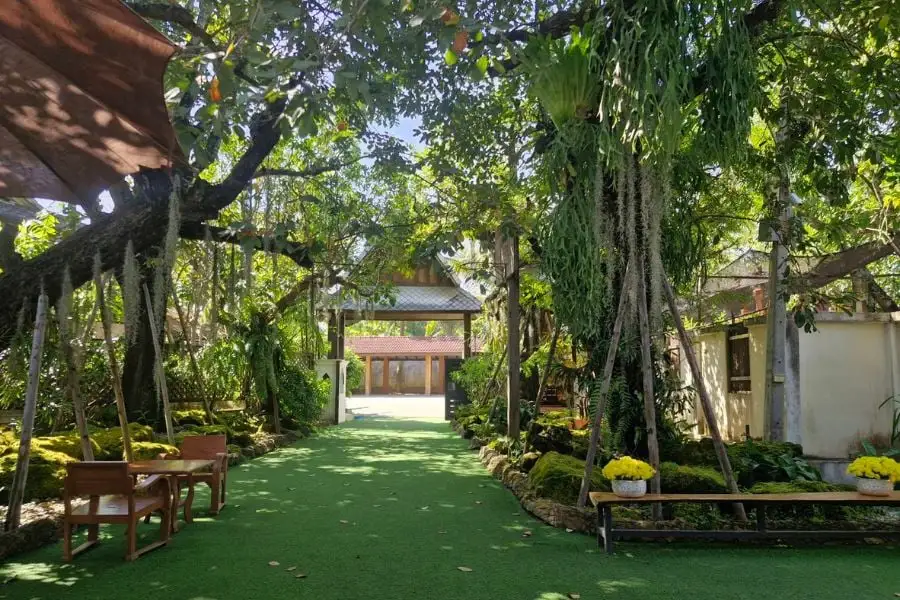
Pai, a small mountain town in Northern Thailand, is often associated with its laid-back backpacker culture. However, beyond the lively walking street and nightlife, Pai offers a quieter, more culturally immersive side. For first-time visitors, these experiences provide a deeper understanding of local traditions, community life, and the natural environment.
Ethnic Villages: Cultural Encounters Beyond the Main Roads
Exploring Pai’s surrounding countryside reveals a network of ethnic minority villages where traditional lifestyles are still actively preserved.
Key Locations
- Shan and Lisu Villages (West of Pai)
- Accessible by motorbike, typically a 20–30 minute ride from central Pai.
- Route passes landmarks such as Pam Bok Waterfall, making it easy to combine visits.
- Visitors can observe:
- Traditional wooden homes
- Farming practices
- Handicrafts and textiles
- Santichon Village (Yunnan Chinese Village)
- Located approximately 5 km from Pai town (10–15 minutes by scooter).
- Known for:
- Clay houses reflecting Yunnan architecture
- Local cuisine such as pork hocks with steamed buns
- Tea tasting and cultural demonstrations
- Entry fees or activity costs may apply (typically THB 20–50).
Travel Tip: Visit in the morning for fewer crowds and a more authentic atmosphere.
Cooking Classes: Hands-On Northern Thai Cuisine
Participating in a cooking class is one of the most accessible ways to connect with Thai culture. Pai offers small-group, locally run classes that emphasize fresh ingredients and home-style cooking.
Recommended Options
- BeBe Spice Cooking School
- Pai Cookery School
What to Expect
- Duration: Half-day (4–5 hours)
- Cost: Approximately THB 1,000–1,200 per person
- Includes:
- Local market visit to source ingredients
- Step-by-step preparation of Thai dishes (curries, stir-fries, soups)
- Vegan and vegetarian options
- Final meal shared with the group
These classes are often hosted in family-run settings, offering a more personal and immersive experience.
Homestays: Local Hospitality and Slow Travel
For travelers seeking tranquility, Pai’s homestays and boutique accommodations provide a more authentic alternative to standard guesthouses.
Notable Stays
- Pai Village Boutique Resort
- Lanna-style architecture with landscaped gardens
- Walking distance to town, yet peaceful
- Pai Baan Homestay
- Traditional Thai design with a strong focus on hospitality
- Surrounded by greenery, ideal for relaxation
Typical Pricing
| Accommodation Type | Price Range (per night) |
|---|---|
| Budget Homestay | THB 500–800 |
| Boutique Resort | THB 1,500–3,000 |
Tip: Choose riverside or rural locations for a quieter experience, especially during peak season.
Nature Immersion: Quiet Landscapes and Cultural Sites
Pai’s natural environment offers opportunities for exploration beyond its more crowded viewpoints.
Highlights
- Tham Lod Cave
- Located about 50 km north of Pai (1.5-hour drive).
- Features:
- Guided bamboo raft tours
- Large limestone chambers
- Bat colonies at dusk
- Entrance and guide fee: approx. THB 150–200
- Sai Ngam Hot Spring
- Around 15 km from Pai (25 minutes by scooter).
- Managed by local communities.
- Entry fee: approx. THB 20–50
- Known for mineral-rich water and natural surroundings.
- Wat Klang
- Pai’s oldest active temple, located in town.
- Offers insight into daily religious practices and local life.
- Free entry; respectful dress required.
Practical Tips for First-Time Visitors
- Transport: Renting a scooter (THB 150–250 per day) is the most flexible way to explore Pai and surrounding areas.
- Road Conditions: Mountain roads can be steep and winding; drive cautiously, especially during the rainy season.
- Best Time to Visit: November to February offers cooler weather and clearer skies.
- Cultural Etiquette: Dress modestly in villages and temples; always ask before taking photos of people.
Conclusion
Pai offers far more than its backpacker reputation suggests. From ethnic villages and hands-on cooking classes to eco-friendly homestays and serene natural sites, the town provides meaningful, culturally rich experiences for travelers willing to explore beyond the surface. For first-time visitors, integrating these activities into your itinerary ensures a more balanced and authentic Northern Thailand journey.
Frequently Asked Questions (FAQs)
- How far are Pai’s ethnic villages from the town center?
Most villages are within a 20–30 minute drive, making them suitable for half-day trips. - Do I need to book cooking classes in advance?
Booking 1–2 days ahead is recommended, especially during peak season. - Are Pai’s homestays suitable for solo travelers?
Yes, many homestays are welcoming and safe for solo visitors, with communal spaces. - Is it possible to visit Tham Lod Cave independently?
Yes, but a local guide is required for cave exploration. - What is the best way to get around Pai?
Renting a scooter is the most convenient option; alternatively, taxis and private drivers are available. - Are these experiences suitable for families?
Yes, particularly cooking classes and cultural village visits. - What should I wear when visiting temples like Wat Klang?
Modest clothing covering shoulders and knees is required. - Are hot springs in Pai safe for bathing?
Yes, but check water temperature and avoid prolonged exposure. - Can beginners ride a scooter in Pai?
Only if confident; the roads are winding and require careful handling. - How many days should I spend in Pai to enjoy these experiences?
A stay of 2–3 days is ideal to explore beyond the main tourist spots.
For a Complete Travel Guide
For more detailed information on transportation options, booking tips, itinerary suggestions, and everything you need to know about planning your trip, visit our full guide:
