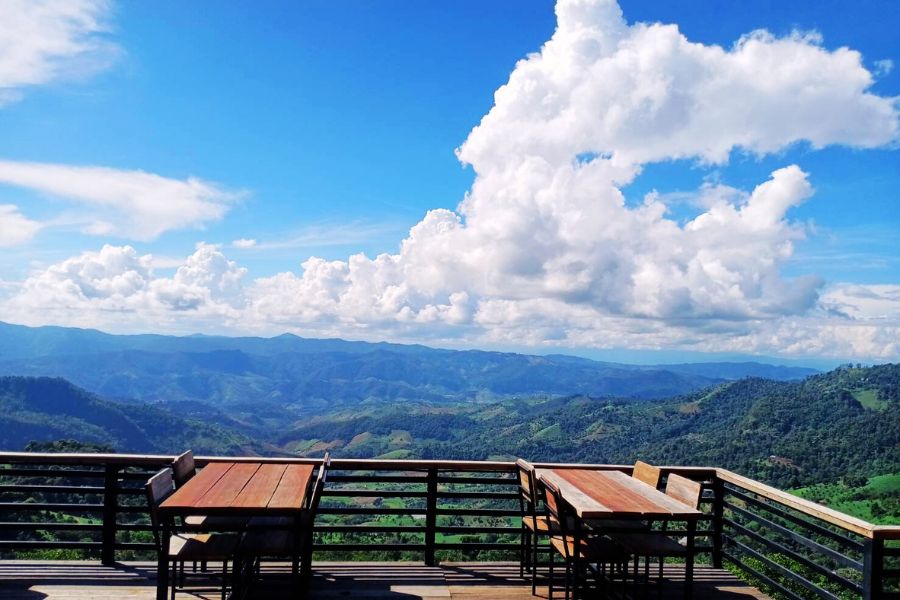
For years, Chiang Mai has been one of the world’s most recognized destinations for digital nomads. Remote workers from Europe, North America, Australia, and across Asia continue to choose the city for its affordable lifestyle, reliable infrastructure, and strong international community.
For first-time visitors, Chiang Mai offers a balance that is difficult to find elsewhere in Southeast Asia: modern conveniences, a relaxed atmosphere, cultural depth, and a cost of living that remains relatively accessible compared with many global cities.
Why Digital Nomads Choose Chiang Mai
Affordable Cost of Living
One of the biggest reasons digital nomads move to Chiang Mai is affordability. Compared with major cities such as Bangkok, Singapore, London, or New York, everyday expenses are significantly lower.
Typical monthly costs for a single remote worker may include:
| Expense | Average Cost |
|---|---|
| Studio apartment | THB 8,000–20,000 |
| Coworking membership | THB 3,000–6,000 |
| Local meals | THB 50–120 |
| Coffee | THB 60–100 |
| Scooter rental | THB 2,500–4,500 per month |
| Mobile data plan | THB 300–700 |
This affordability allows many remote workers to enjoy a comfortable lifestyle while keeping expenses manageable.
Reliable Infrastructure for Remote Work
Despite its relaxed atmosphere, Chiang Mai has developed strong infrastructure for remote professionals.
Many areas of the city offer:
- High-speed fiber internet
- Modern coworking spaces
- Laptop-friendly cafés
- Reliable mobile coverage
- International-standard accommodation
Popular neighborhoods for digital nomads include:
- Nimman — modern cafés, coworking spaces, nightlife
- Old City — cultural atmosphere and walkability
- Santitham — lower-cost apartments and local food
- Hang Dong — quieter suburban lifestyle
For first-time visitors, Nimman is often the easiest area to start with because many services are designed around remote workers and international residents.
A Strong International Community
Chiang Mai has built a long-standing reputation as a digital nomad hub. Because so many freelancers, entrepreneurs, online teachers, designers, and remote employees already live there, newcomers often find it easier to settle in quickly.
The city regularly hosts:
- Networking events
- Startup meetups
- Language exchanges
- Business workshops
- Wellness retreats
- Remote-work conferences
This established community creates a “network effect.” As more remote workers arrive, more businesses and services adapt to their needs, making the city even more attractive to future visitors.
Relaxed Lifestyle and Better Work-Life Balance
Compared with larger cities such as Bangkok, Chiang Mai is often viewed as calmer and less stressful.
Many digital nomads appreciate:
- Less traffic congestion
- Slower daily pace
- Easier routines
- More walkable neighborhoods
- Lower noise levels
- Access to nature
This environment can make it easier to maintain productivity while also enjoying a healthier work-life balance.
Food, Culture, and Everyday Convenience
Chiang Mai combines modern convenience with traditional northern Thai culture.
The city is known for:
- Northern Thai cuisine
- Affordable street food
- Night markets
- Buddhist temples
- Mountain scenery
- Cafés and creative spaces
Popular local dishes include:
- Khao Soi
- Sai Ua (northern Thai sausage)
- Nam Prik Ong
- Mango sticky rice
For many visitors, the combination of cultural experiences and everyday convenience becomes a major reason to extend their stay.
Access to Nature and Weekend Trips
Another major advantage is Chiang Mai’s proximity to mountains, waterfalls, and national parks.
Popular nearby destinations include:
| Destination | Approximate Travel Time |
|---|---|
| Pai | 3–4 hours |
| Doi Inthanon National Park | 2 hours |
| Mon Jam | 1.5 hours |
| Chiang Rai | 3–4 hours |
This easy access to nature helps many remote workers balance work with outdoor activities and short weekend escapes.
Is Chiang Mai Still Affordable in 2026?
Chiang Mai remains affordable by international standards, although prices have gradually increased in recent years due to tourism growth and rising demand for long-term accommodation.
Areas such as Nimman are noticeably more expensive than before, especially during the high season from November to February. However, travelers can still find good value compared with many other digital nomad destinations worldwide.
Choosing local restaurants, staying outside premium neighborhoods, and booking longer-term accommodation can help reduce costs significantly.
Challenges Digital Nomads Should Know About
Although Chiang Mai offers many advantages, first-time visitors should also be aware of a few common challenges.
Burning Season
From approximately February to April, northern Thailand can experience significant air pollution caused by agricultural burning.
Air quality may become unhealthy during this period, and some digital nomads choose to leave temporarily.
Visa Limitations
Thailand’s visa rules can change frequently. Visitors should always check the latest immigration requirements before planning a long-term stay.
Traffic and Road Safety
While Chiang Mai is calmer than Bangkok, traffic accidents involving scooters are still common. Travelers should drive carefully and ensure they have proper insurance coverage.
Best Areas for First-Time Digital Nomads
| Area | Best For |
|---|---|
| Nimman | Coworking, cafés, convenience |
| Old City | Culture, walkability, temples |
| Santitham | Budget-friendly living |
| Riverside | Quiet atmosphere |
| Hang Dong | Long-term stays and families |
Why Chiang Mai Continues to Attract Remote Workers
Chiang Mai’s popularity is not based on one single factor. Instead, it offers a combination of affordability, infrastructure, community, and lifestyle that appeals strongly to remote workers.
For first-time visitors, the city is often easier to adapt to than many larger Asian capitals. It provides enough modern comfort for productive remote work while still offering a distinctly Thai cultural experience.
Final Thoughts
Chiang Mai remains one of the most established digital nomad destinations in the world because it combines low living costs, reliable infrastructure, strong community networks, and a relaxed lifestyle.
For remote workers seeking a balance between productivity and quality of life, the city continues to offer a practical and attractive base in Southeast Asia.
FAQs
1. Is Chiang Mai good for first-time digital nomads?
Yes. Chiang Mai is often considered beginner-friendly because of its affordability, established remote-work community, and wide range of accommodation and coworking options.
2. What is the best area to stay in Chiang Mai for remote work?
Nimman is usually the most popular choice for first-time visitors due to its cafés, coworking spaces, and modern apartments.
3. How much does it cost to live in Chiang Mai per month?
Many digital nomads spend between THB 25,000 and THB 60,000 per month depending on accommodation style and lifestyle preferences.
4. Is internet speed reliable in Chiang Mai?
Yes. Most apartments, cafés, and coworking spaces offer reliable high-speed internet suitable for video calls and remote work.
5. When is the burning season in Chiang Mai?
Burning season usually occurs between February and April, although conditions vary each year.
6. Is Chiang Mai cheaper than Bangkok?
Yes. In general, accommodation, food, and daily expenses are lower in Chiang Mai than in Bangkok.
7. Can digital nomads work from cafés in Chiang Mai?
Yes. Many cafés are laptop-friendly and designed to accommodate remote workers.
8. Is Chiang Mai safe for solo travelers?
Chiang Mai is generally considered safe, although travelers should still take normal precautions, especially when driving scooters.
9. What visa do digital nomads use in Thailand?
Visa options vary depending on nationality and length of stay. Travelers should check current Thai immigration rules before arrival.
10. What is the best time to visit Chiang Mai?
The cooler season from November to January is usually considered the best time to visit because temperatures are more comfortable and air quality is generally better.
