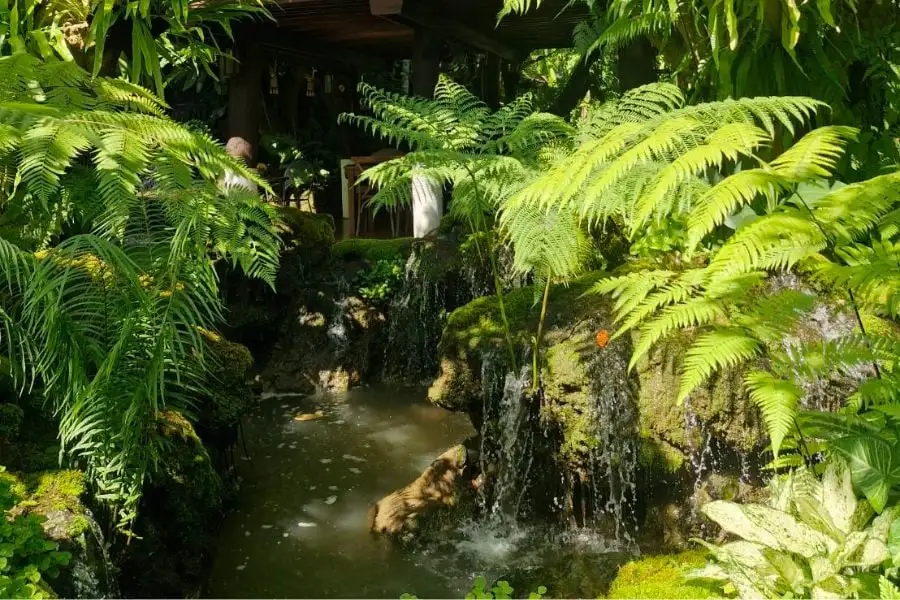
Northern Thailand offers two very different travel experiences through its most famous cities: Chiang Mai and Chiang Rai. While both destinations feature mountain scenery, temples, and rich Lanna culture, they appeal to different types of travelers.
For most first-time visitors, Chiang Mai is the more practical and versatile base thanks to its larger size, stronger tourism infrastructure, and wider range of activities. Chiang Rai, meanwhile, is better suited for travelers seeking slower-paced experiences, quieter landscapes, and deeper access to Northern Thailand’s rural atmosphere.
This guide compares Chiang Mai and Chiang Rai across transportation, budget, culture, nature, digital nomad life, and travel style to help you decide which destination fits your trip best.
Quick Overview: Chiang Mai vs Chiang Rai
| Category | Chiang Mai | Chiang Rai |
|---|---|---|
| Overall Atmosphere | Energetic cultural city with cafes, markets, and nightlife | Relaxed provincial city with a slower pace |
| Best For | First-time visitors, backpackers, digital nomads | Nature lovers, slow travelers, photographers |
| Main Attractions | Temples, night markets, cooking classes, mountain trips | White Temple, Blue Temple, Golden Triangle |
| Nature Access | Mountains and waterfalls within 30–90 minutes | Immediate access to rural landscapes |
| Nightlife & Cafes | Extensive cafe and nightlife scene | Limited but growing |
| Transportation | Major airport and regional transport hub | Smaller airport with fewer routes |
| Digital Nomad Scene | One of Southeast Asia’s top nomad hubs | Suitable mainly for short stays |
| Typical Daily Budget | THB 1,500–3,000 | THB 1,300–2,800 |
| Ideal Length of Stay | 4–7 days | 2–4 days |
Chiang Mai: Northern Thailand’s Cultural and Travel Hub
Chiang Mai is Northern Thailand’s largest and most visited city. It combines traditional temples and local culture with modern conveniences, making it especially attractive for first-time visitors.
The city is known for:
- Historic temples inside the Old City
- Night bazaars and weekend walking streets
- Cafe culture and coworking spaces
- Easy mountain escapes
- Large backpacker and digital nomad communities
- Excellent food options ranging from street food to fine dining
Chiang Mai also works well as a base for exploring nearby destinations such as Pai, Chiang Dao, Doi Inthanon, and Mae Kampong.
Best Experiences in Chiang Mai
Popular activities include:
- Visiting Wat Phra That Doi Suthep
- Exploring the Old City temples
- Joining Thai cooking classes
- Visiting ethical elephant sanctuaries
- Shopping at the Sunday Walking Street
- Riding motorcycles through mountain roads
- Visiting nearby waterfalls and national parks
Pros of Staying in Chiang Mai
- Wide range of accommodation for every budget
- Excellent cafe and coworking infrastructure
- Large variety of restaurants and nightlife
- Convenient airport connections
- Easy access to organized tours and day trips
- Better public transportation and tourist services
Possible Drawbacks
- Heavier tourist crowds during high season
- More traffic compared to Chiang Rai
- Air pollution can become severe during burning season (February–April)
Chiang Rai: A Quieter Gateway to Northern Landscapes
Chiang Rai offers a more relaxed and rural atmosphere. The city is smaller, quieter, and less commercialized than Chiang Mai, making it ideal for travelers looking for slower travel experiences.
Chiang Rai is particularly appealing for:
- Scenic mountain drives
- Tea plantations
- Border-region culture
- Temple photography
- Eco-tourism experiences
- Rural Northern Thailand exploration
Best Experiences in Chiang Rai
Top highlights include:
- Visiting Wat Rong Khun (White Temple)
- Exploring Wat Rong Suea Ten (Blue Temple)
- Day trips to the Golden Triangle
- Tea tasting in Doi Mae Salong
- Visiting hill tribe villages responsibly
- Scenic drives through mountain roads
Pros of Staying in Chiang Rai
- Fewer crowds and quieter surroundings
- Easier access to remote nature areas
- More relaxed local atmosphere
- Lower tourist density at attractions
- Excellent for photography and scenic road trips
Possible Drawbacks
- Fewer nightlife and entertainment options
- Smaller selection of coworking spaces
- Less convenient transportation network
- Limited flight connections compared to Chiang Mai
Which City Is Better for First-Time Visitors?
For most first-time travelers, Chiang Mai is usually the better choice.
The city offers:
- More accommodation options
- Easier transportation
- Better tourist infrastructure
- More activities within a short timeframe
- Greater flexibility for day trips
Travelers with limited time often find Chiang Mai easier to navigate and more rewarding for a first Northern Thailand visit.
However, Chiang Rai may suit travelers who:
- Prefer slower-paced travel
- Want fewer crowds
- Enjoy road trips and nature
- Prioritize photography and mountain scenery
- Prefer quieter evenings
Budget Comparison
Both cities remain relatively affordable compared to Bangkok and Southern Thailand islands.
| Expense | Chiang Mai | Chiang Rai |
|---|---|---|
| Hostel Dorm | THB 300–700 | THB 250–600 |
| Mid-Range Hotel | THB 1,000–2,500 | THB 900–2,200 |
| Street Food Meal | THB 50–120 | THB 50–100 |
| Cafe Coffee | THB 60–120 | THB 60–100 |
| Scooter Rental | THB 250–400/day | THB 250–400/day |
Chiang Mai generally offers more accommodation choices and competitive pricing because of its larger tourism industry.
Transportation Between Chiang Mai and Chiang Rai
Traveling between the two cities is straightforward.
Bus
The most common option is the intercity bus.
- Travel time: approximately 3–4 hours
- Ticket prices: around THB 200–400
- Frequent daily departures
Flights
Direct flights are available but usually unnecessary unless connecting to another destination.
- Flight time: approximately 1 hour
- Airport transfers increase total travel time
Motorcycle or Road Trip
Many travelers choose to explore the route by motorcycle or private car.
Popular stops include:
- Chiang Dao Cave
- Doi Mae Salong
- Fang hot springs and mountain viewpoints
This route is especially popular during the cool season from November to February.
Best Time to Visit
Cool Season (November–February)
- Best weather overall
- Comfortable temperatures
- Ideal for outdoor activities and road trips
Hot Season (March–May)
- Very warm afternoons
- Burning season may affect air quality, especially in Chiang Mai
Green Season (June–October)
- Lush landscapes and fewer tourists
- Afternoon rain showers common
- Scenic mountain views improve dramatically
For May travel, conditions often transition into the rainy season. Travelers planning motorcycle routes should pack lightweight rain gear and waterproof bags.
Suggested Northern Thailand Itinerary
For travelers visiting both cities:
7-Day Northern Thailand Route
- Days 1–4: Chiang Mai
- Day 5: Scenic drive or bus to Chiang Rai
- Days 6–7: Chiang Rai and surrounding mountains
Optional stops:
- Pai
- Chiang Dao
- Mae Kampong
- Doi Mae Salong
This itinerary balances culture, mountain scenery, and slower travel experiences without excessive transportation time.
Final Verdict: Chiang Mai or Chiang Rai?
Choosing between Chiang Mai and Chiang Rai depends largely on your travel style.
Choose Chiang Mai if you want:
- Strong tourist infrastructure
- More activities and nightlife
- Easy transportation
- Coworking spaces and cafes
- A flexible base for day trips
Choose Chiang Rai if you want:
- Quieter surroundings
- Scenic mountain landscapes
- Slower travel experiences
- Fewer crowds
- Photography-focused trips
For most first-time visitors, Chiang Mai works best as the primary base, while Chiang Rai makes an excellent secondary destination for a few slower days in Northern Thailand.
FAQs
1. Is Chiang Mai or Chiang Rai better for first-time visitors?
Chiang Mai is generally better for first-time visitors because it offers more attractions, accommodation choices, transportation connections, and tourist services.
2. How many days should you spend in Chiang Mai?
Most travelers spend 4–5 days in Chiang Mai to explore temples, markets, cafes, and nearby mountain attractions.
3. How many days are enough for Chiang Rai?
A stay of 2–3 days is usually enough to visit the main temples and nearby scenic areas around Chiang Rai.
4. Is Chiang Rai cheaper than Chiang Mai?
Chiang Rai can be slightly cheaper overall, but Chiang Mai often offers more competitive accommodation prices due to greater availability.
5. Can you visit Chiang Rai as a day trip from Chiang Mai?
Yes, but it is a long day. Travel time each way is approximately 3–4 hours, so an overnight stay is more comfortable.
6. Is Chiang Mai good for digital nomads?
Yes. Chiang Mai remains one of Southeast Asia’s most popular digital nomad destinations due to affordable living costs, coworking spaces, and reliable internet.
7. What is the best way to travel between Chiang Mai and Chiang Rai?
Buses are the most practical and affordable option, typically costing around THB 200–400 and taking about 3–4 hours.
8. Which city has better nightlife?
Chiang Mai has a significantly larger nightlife scene, including bars, live music venues, cafes, and night markets.
9. Is Chiang Rai worth visiting?
Yes. Chiang Rai is worth visiting for travelers interested in scenic mountain landscapes, unique temples, and quieter Northern Thailand experiences.
10. What is the best season to visit Northern Thailand?
The cool season from November to February offers the most comfortable temperatures and best road trip conditions.
For a Complete Travel Guide
For more detailed information on transportation options, booking tips, itinerary suggestions, and everything you need to know about planning your trip, visit our full guide:
