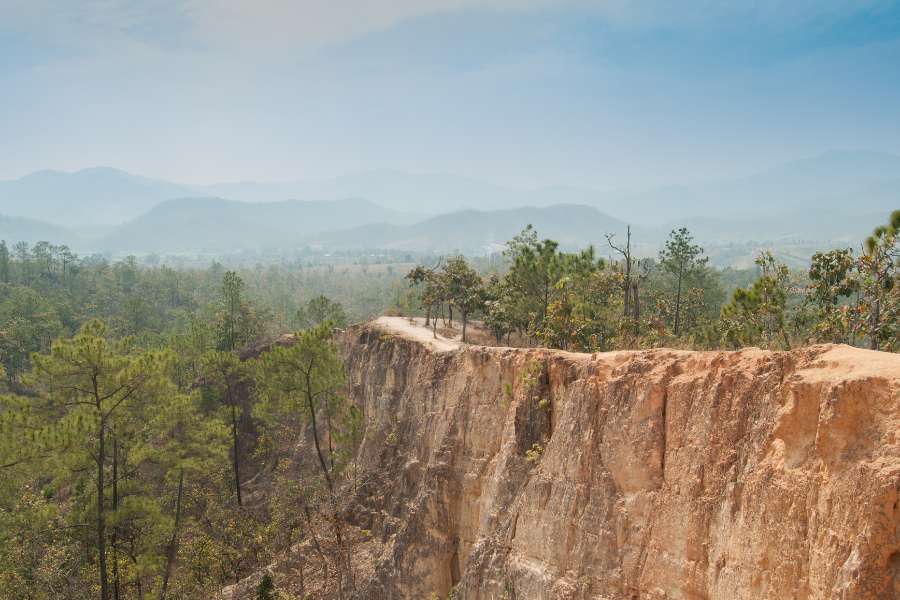
Pai is one of Northern Thailand’s most popular destinations for backpackers, nature lovers, and travelers seeking a relaxed atmosphere away from the city. Located approximately 130 kilometers northwest of Chiang Mai, Pai is known for its mountain scenery, viewpoints, hot springs, and vibrant café culture.
If you are planning your first trip, the following answers cover the most common questions travelers ask before visiting Pai.
How Do You Get to Pai from Chiang Mai?
The route between Chiang Mai and Pai follows Highway 1095, famous for its 762 curves through the mountains. The journey typically takes between 3 and 4 hours, depending on traffic and weather conditions.
Transportation Options
| Transport Option | Travel Time | Typical Cost |
|---|---|---|
| Shared Minivan | 3–4 hours | THB 150–250 |
| Scooter or Motorcycle | 3–5 hours | Rental from THB 200–400 per day |
| Private Car Transfer | 3–4 hours | THB 2,000–4,000 per vehicle |
Shared Minivan
Shared minivans are the most common and affordable way to reach Pai. Multiple departures operate daily from Chiang Mai.
Advantages:
- Budget-friendly
- Convenient for most travelers
- No driving experience required
Things to Know:
- The winding road can cause motion sickness.
- Seats often sell out during the peak season from November to February.
- Advance booking is recommended.
Scooter or Motorcycle
Many travelers choose to ride to Pai independently for greater flexibility.
Advantages:
- Freedom to stop at viewpoints and attractions
- Ideal for experienced riders
Things to Know:
- The mountain road contains hundreds of sharp curves.
- Riding experience is strongly recommended.
- Travel insurance may not cover motorcycle accidents without the proper license.
Private Car Transfer
A private transfer provides the most comfortable option.
Advantages:
- Door-to-door service
- Suitable for families and groups
- More comfortable for travelers prone to motion sickness
Is Pai Worth Visiting?
For most travelers, the answer is yes.
Pai offers a combination of:
- Mountain landscapes
- Relaxed atmosphere
- Affordable accommodation
- Waterfalls and hot springs
- Hiking opportunities
- Scenic viewpoints
- A vibrant night market
The town appeals particularly to backpackers, digital nomads, couples, and independent travelers seeking a slower pace than Chiang Mai.
Typical Daily Budget
| Travel Style | Estimated Daily Cost |
| Budget Traveler | THB 500–800 |
| Mid-Range Traveler | THB 1,500–3,000 |
| Comfortable Traveler | THB 3,000+ |
These estimates generally exclude long-distance transportation and major tours.
What Are the Best Things to Do in Pai?
Pai Canyon
Pai Canyon is one of the area’s most famous natural attractions.
Highlights:
- Free admission
- Dramatic ridge-top views
- Excellent sunset location
- Approximately 15 minutes from Pai town by scooter
Safety Tip:
Wear sturdy footwear, as some sections can become slippery and narrow.
Yun Lai Viewpoint
Located above the valley, Yun Lai Viewpoint offers panoramic views of Pai’s surrounding mountains and farmland.
Best Time to Visit:
- Sunrise for morning mist
- Late afternoon for scenic photography
Sai Ngam Hot Springs
Often called the “Secret Hot Springs,” Sai Ngam features clear mineral-rich pools surrounded by forest.
Highlights:
- Natural setting
- Relaxing warm water
- Less crowded than some larger hot spring complexes
Tham Lod (Nam Lod) Cave
One of Northern Thailand’s most impressive cave systems, located roughly one hour north of Pai.
Highlights:
- Guided exploration
- Bamboo raft experience
- Large chambers with stalactites and stalagmites
Typical Cost:
- Approximately THB 600 per group (up to three visitors), including a local guide and bamboo raft.
River Tubing
River tubing remains a popular social activity in Pai.
Highlights:
- Scenic river views
- Relaxed atmosphere
- Popular among backpackers
Zipline Adventures
Several operators offer jungle zipline experiences through the surrounding forest.
Typical Features:
- Multiple platforms
- Suspension bridges
- Long zipline sections with mountain views
When Should You Book Transportation and Accommodation?
Advance booking is highly recommended during the peak travel season.
Peak Season
- November to February
During this period:
- Accommodation fills quickly.
- Minivan tickets often sell out several days in advance.
- Popular guesthouses may be fully booked weeks ahead.
Green Season
- May to October
Advantages:
- Lower accommodation prices
- Fewer crowds
- Lush green landscapes
Considerations:
- Occasional heavy rain
- Slippery hiking trails
Is Pai Safe for Scooter Travel?
Scooter travel can be enjoyable, but caution is essential.
The road between Chiang Mai and Pai is well-paved but extremely winding. Many accidents involve visitors with limited riding experience.
Before choosing to ride:
- Have experience riding motorcycles or scooters.
- Wear a quality helmet.
- Avoid riding after dark.
- Check weather conditions before departure.
- Ensure you have the correct driving license and insurance coverage.
First-time riders should strongly consider taking a minivan or private transfer instead.
How Many Days Should You Spend in Pai?
Short Visit: 2–3 Days
Suitable for travelers with limited time.
Possible activities:
- Pai Canyon
- Yun Lai Viewpoint
- Night Market
- Hot Springs
Ideal Stay: 4–7 Days
Allows enough time to:
- Explore surrounding attractions
- Enjoy local cafés
- Visit waterfalls
- Take day trips
- Experience Pai’s relaxed atmosphere
Extended Stay: 1–2 Weeks
Popular among:
- Digital nomads
- Slow travelers
- Long-term backpackers
This provides time to fully explore the region while enjoying a slower pace of travel.
Final Thoughts
Pai remains one of Northern Thailand’s most rewarding destinations for independent travelers. Its combination of mountain scenery, affordable accommodations, outdoor activities, and laid-back atmosphere makes it an excellent addition to a Northern Thailand itinerary.
Whether you arrive by minivan, scooter, or private car, planning ahead and understanding the mountain road conditions will help ensure a safer and more enjoyable journey.
Frequently Asked Questions
1. How far is Pai from Chiang Mai?
Pai is approximately 130 kilometers northwest of Chiang Mai and can usually be reached in 3 to 4 hours.
2. What is the cheapest way to get to Pai?
Shared minivans are generally the most affordable option, with fares typically ranging from THB 150 to THB 250.
3. Is the road to Pai dangerous?
The road is paved and maintained, but its 762 curves require careful driving. Inexperienced riders should avoid traveling by scooter.
4. Can beginners ride a scooter from Chiang Mai to Pai?
It is not recommended. The route is best suited to experienced riders comfortable with mountain roads.
5. What is the best month to visit Pai?
November through February offers cooler temperatures and generally dry weather.
6. How many nights should I stay in Pai?
Most visitors find that 3 to 5 nights provides enough time to explore the main attractions comfortably.
7. Is Pai expensive?
No. Pai remains one of Thailand’s more affordable tourist destinations, especially for backpackers and budget travelers.
8. Are there ATMs in Pai?
Yes. Several ATMs and banking services are available in Pai town.
9. Do I need to book accommodation in advance?
Yes, particularly during the high season from November to February.
10. Is Pai suitable for families?
Yes. Families often enjoy the natural scenery, viewpoints, hot springs, and relaxed atmosphere, especially when traveling by private vehicle.
For a Complete Travel Guide
For more detailed information on transportation options, booking tips, itinerary suggestions, and everything you need to know about planning your trip, visit our full guide:
