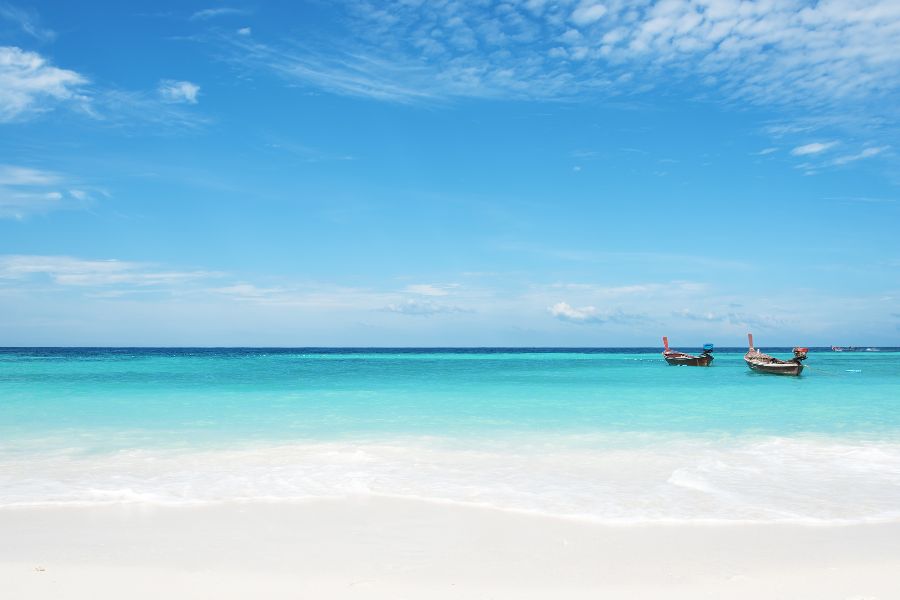
Traveling from Hat Yai to Koh Lipe involves a combination of minivan and speedboat (approximately 5–6 hours total). With limited luggage space and a fragile marine ecosystem awaiting you, packing thoughtfully is essential. This guide focuses on reusable, reef-safe, and low-waste essentials—ideal for first-time visitors planning a sustainable island trip.
Why Eco-Friendly Packing Matters
Koh Lipe sits within a protected marine park, where coral reefs and marine life are highly sensitive to pollution and chemical damage. Reducing plastic waste and using reef-safe products helps preserve the island’s natural beauty while also making your journey lighter and more efficient.
Clothing & Swimwear
Choose lightweight, breathable fabrics suitable for tropical heat and humid conditions.
Recommended items:
- Quick-dry clothing made from organic cotton or recycled materials
- 2–3 lightweight tops and 1–2 pairs of shorts
- Sustainable swimwear (preferably made from recycled ocean plastics)
- Rash guard for snorkeling and sun protection
- Lightweight cover-up or sarong
- Undergarments and sleepwear
Practical tip:
A rash guard reduces reliance on sunscreen during long snorkeling sessions, helping protect coral reefs.
Sun & Skin Protection
Sun exposure is intense on both the boat journey and the island. Reef-safe and natural products are essential.
Essentials:
- Mineral-based reef-safe sunscreen (free from oxybenzone and octinoxate)
- Wide-brim hat or cap
- UV-protective sunglasses
- Natural insect repellent (citronella or essential oil-based)
- Aloe vera gel or after-sun lotion
Recommended budget:
- Reef-safe sunscreen: THB 400–900
- Natural insect repellent: THB 150–350
Beach & Water Gear
Boat transfers and island hopping require practical, water-resistant gear.
Must-have items:
- Reusable water bottle (refill at hotels or cafés)
- Quick-dry towel (organic cotton or microfiber alternative)
- Dry bag (for electronics during speedboat trips)
- Personal snorkel mask and snorkel (reduces rental waste)
- Water shoes (protect feet and prevent reef damage)
- Eco-friendly beach pouch (jute or recycled fabric)
Optional but useful:
- Lightweight foldable tote for beach use
- Compact travel umbrella for sudden tropical rain
Toiletries & Travel Essentials
Minimize single-use plastics by switching to reusable or solid alternatives.
Sustainable toiletries:
- Solid shampoo and soap bars
- Refillable toiletry bottles
- Biodegradable wipes or tissues
- Bamboo toothbrush
- Reef-safe lip balm
Travel essentials:
- Reusable straw and spork set
- Menstrual products (reusable options if preferred)
- Small first-aid kit (bandages, motion sickness tablets)
- Power bank and charging cables
- Universal travel adapter
Typical costs in Hat Yai (if purchasing locally):
- Power bank: THB 300–800
- Travel adapter: THB 100–250
Packing Strategy for the Hat Yai to Koh Lipe Route
The journey typically includes:
- Minivan transfer to Pak Bara Pier (1.5–2 hours)
- Speedboat to Koh Lipe (1.5–2 hours)
Efficient packing tips:
- Use a lightweight backpack or rucksack instead of a suitcase (easier on sandy paths)
- Keep valuables and essentials in a small daypack or dry bag
- Pack a change of clothes in case of sea spray during the boat ride
- Avoid overpacking—laundry services are widely available on Koh Lipe (THB 50–100 per kg)
Responsible Travel Tips
- Refill water bottles instead of buying plastic bottles
- Avoid touching coral or marine life while snorkeling
- Dispose of waste properly—bins can be limited on smaller beaches
- Support eco-conscious accommodations and local businesses
- Purchase only what you need on the island to reduce transport weight
Conclusion
An eco-friendly packing approach for the Hat Yai to Koh Lipe journey is both practical and impactful. By prioritizing reusable items, reef-safe products, and lightweight gear, travelers can reduce environmental harm while enjoying a smoother, more comfortable island experience.
FAQs: Eco-Friendly Packing for Koh Lipe Travel
- Do I need reef-safe sunscreen in Koh Lipe?
Yes. Standard sunscreens can damage coral reefs. Reef-safe options are strongly recommended and sometimes required in marine areas. - Can I buy eco-friendly products on Koh Lipe?
Limited options are available. It is best to bring essential items such as reef-safe sunscreen and reusable bottles. - Is a suitcase or backpack better for this trip?
A backpack is more practical due to boat transfers and sandy walking paths. - Do I need water shoes for Koh Lipe?
They are recommended for rocky areas and to avoid stepping on coral. - Are snorkeling rentals available on the island?
Yes, but bringing your own gear is more hygienic and reduces waste. - How much luggage should I bring?
Pack light. One carry-on backpack (7–10 kg) is usually sufficient. - Is insect repellent necessary?
Yes, especially during evenings. Natural repellents are a more eco-friendly choice. - Can I refill water bottles on Koh Lipe?
Yes, many hotels and cafés offer refill stations. - What should I pack for the boat journey?
A dry bag, sunglasses, sunscreen, and a light jacket or cover-up. - Are laundry services available on Koh Lipe?
Yes, most guesthouses offer laundry services at THB 50–100 per kg.
