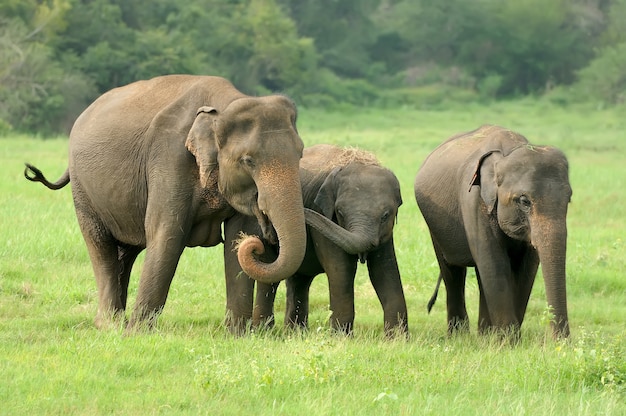
Northern Thailand is one of the most popular places in Southeast Asia to experience elephants responsibly, and the area around Chiang Mai offers several sanctuaries that focus on rescue, rehabilitation, and long-term welfare rather than entertainment.
For first-time visitors, choosing an ethical elephant sanctuary can be confusing because many attractions market themselves as “ethical” while still offering activities that may negatively affect elephant welfare. Understanding what to look for before booking can help travelers make more informed and responsible decisions.
What Makes an Elephant Sanctuary Ethical?
An ethical elephant sanctuary prioritizes the health and well-being of the animals over tourist entertainment. The best sanctuaries focus on rescue programs, rehabilitation, and providing elephants with a more natural environment.
Positive Signs of an Ethical Sanctuary
Look for sanctuaries that:
- Do not offer elephant riding
- Avoid circus-style performances or tricks
- Limit direct physical interaction
- Provide large open spaces for elephants
- Focus on observation-based experiences
- Explain each elephant’s rescue or rehabilitation history
- Maintain smaller visitor groups to reduce stress on the animals
Many responsible sanctuaries now emphasize walking alongside elephants at a respectful distance, observing natural behaviors, and learning about conservation rather than hands-on entertainment.
Red Flags to Avoid
Even if a venue describes itself as ethical, certain activities may indicate otherwise.
Be cautious of sanctuaries that promote:
- Elephant riding
- Forced bathing sessions
- Performances or painting shows
- Excessive touching or “cuddling”
- Chains used for visitor convenience
- Large crowds with constant elephant interaction
Some facilities still market bathing experiences as ethical, but many animal welfare organizations increasingly discourage them because repeated human interaction can create stress and unnatural behavior patterns.
Well-Known Ethical Elephant Sanctuaries Near Chiang Mai
Several sanctuaries around Chiang Mai are frequently recommended by responsible travel organizations and conservation-focused guides.
Elephant Nature Park
One of Thailand’s most recognized elephant rescue centers, Elephant Nature Park focuses on rehabilitation and long-term care for rescued elephants. The organization is widely respected for its advocacy work and transparent welfare policies.
Visitors typically observe elephants in a natural environment while learning about conservation and rescue efforts.
Key features include:
- Rescue and rehabilitation mission
- Observation-focused visits
- No elephant riding
- Educational programs
- Large natural habitat areas
Elephant Jungle Sanctuary
Elephant Jungle Sanctuary promotes ethical tourism experiences centered on rescued elephants. Programs generally focus on education, feeding, and observation in a more natural setting.
Before booking, travelers should review the latest activity details carefully, as programs and interaction policies can evolve over time.
Highlights include:
- Rescue-focused operations
- Half-day and full-day programs
- Smaller visitor groups
- Educational elephant care experiences
Chang Chill
Chang Chill is often highlighted as an example of a sanctuary that transitioned away from elephant riding toward observation-based tourism. The sanctuary emphasizes watching elephants behave naturally with minimal human interference.
Visitors typically experience:
- Observation-only activities
- Guided educational tours
- Feeding experiences from a respectful distance
- Forest walking programs
Smaller Ethical Sanctuaries
Responsible travel organizations also frequently mention smaller sanctuaries such as:
- BEES Elephant Sanctuary
- Kindred Spirit Elephant Sanctuary
- Into the Wild Elephant Camp
These smaller operations may offer quieter experiences with fewer tourists, which some travelers prefer.
Typical Costs and Visit Duration
Prices vary depending on the sanctuary, included meals, group size, and program length.
| Program Type | Average Price |
|---|---|
| Half-day visit | THB 1,500–2,500 |
| Full-day visit | THB 2,500–4,500 |
| Overnight experience | THB 5,000+ |
Many sanctuaries include:
- Hotel pickup and drop-off within Chiang Mai
- Lunch or snacks
- English-speaking guides
- Educational sessions
Booking early is recommended during the high season from November to February.
Best Time to Visit
Chiang Mai’s cool season between November and February is generally considered the most comfortable time to visit elephant sanctuaries because temperatures are lower and outdoor conditions are more pleasant.
Seasonal considerations:
| Season | Conditions |
|---|---|
| November–February | Cooler weather, peak tourist season |
| March–May | Hot temperatures and smoky season |
| June–October | Rainy season with greener landscapes |
The rainy season can still be enjoyable, particularly for travelers seeking fewer crowds and lush scenery.
How to Choose the Right Sanctuary
Before confirming a booking, review the sanctuary’s website carefully and ask questions if necessary.
Important questions include:
- Where were the elephants rescued from?
- How much interaction is allowed?
- Are elephants forced to perform?
- How large are visitor groups?
- What veterinary care is provided?
- Does the sanctuary support long-term conservation work?
Transparent answers and clear welfare policies are usually good indicators of a responsible operation.
Final Thoughts
Visiting an ethical elephant sanctuary near Chiang Mai can be a meaningful and educational experience when travelers choose carefully. The best sanctuaries focus on rescue, rehabilitation, and respectful observation rather than entertainment-driven activities.
For first-time visitors, selecting a reputable sanctuary not only supports better animal welfare practices but also helps encourage more sustainable tourism throughout Northern Thailand.
FAQs
1. Are elephant sanctuaries in Chiang Mai ethical?
Some are ethical, while others still prioritize entertainment. Ethical sanctuaries avoid riding, performances, and excessive tourist interaction.
2. Can visitors ride elephants at ethical sanctuaries?
No. Genuine ethical sanctuaries do not allow elephant riding.
3. Is bathing elephants considered ethical?
Many animal welfare experts now discourage elephant bathing activities because repeated human interaction may create stress for the animals.
4. How much does an ethical elephant sanctuary visit cost?
Most half-day programs cost around THB 1,500–2,500, while full-day experiences usually range from THB 2,500–4,500.
5. Which sanctuary is most famous near Chiang Mai?
Elephant Nature Park is one of the best-known and most internationally recognized elephant rescue centers in Thailand.
6. Do sanctuaries provide hotel transfers?
Many sanctuaries include pickup and drop-off services from hotels in Chiang Mai, but travelers should confirm this before booking.
7. What should visitors wear?
Light, breathable clothing and comfortable walking shoes are recommended. During the rainy season, waterproof footwear may also be helpful.
8. Is it necessary to book in advance?
Yes. Booking ahead is highly recommended during peak travel months, especially from November to February.
9. Are elephant sanctuaries suitable for children?
Many sanctuaries welcome families, but age requirements vary depending on the activities and walking conditions.
10. What is the best type of elephant experience for responsible travelers?
Observation-focused programs with minimal physical interaction are generally considered the most responsible choice.
For a Complete Travel Guide
For more detailed information on transportation options, booking tips, itinerary suggestions, and everything you need to know about planning your trip, visit our full guide:
