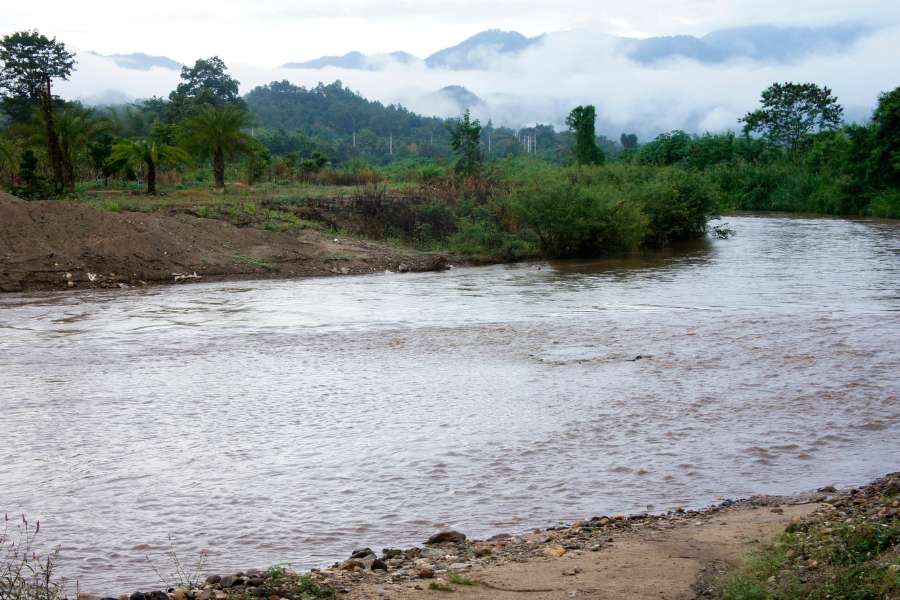
Pai is one of Northern Thailand’s most scenic mountain destinations, but its winding roads and seasonal weather patterns can create travel challenges, especially for first-time visitors. Travelers heading to Pai should understand how flooding, fog, landslides, and changing road conditions can affect safety and travel times throughout the year.
The route between Chiang Mai and Pai remains open most of the year, but weather conditions can significantly impact driving visibility, road stability, and overall travel comfort during certain seasons.
Understanding Pai’s Seasonal Travel Risks
Pai sits in a mountainous region of Mae Hong Son Province, surrounded by steep hills, valleys, and forested terrain. Seasonal weather patterns strongly influence road safety, particularly along Route 1095, the mountain road connecting Chiang Mai and Pai.
The main travel risks include:
- Heavy rain
- Flash flooding
- Landslides
- Wet and slippery roads
- Low visibility from fog
- Delays caused by road repairs or debris clearance
Conditions can change quickly after storms, particularly in low-lying valley areas and mountain sections with sharp curves.
Rainy Season in Pai (May to October)
The rainy season brings lush green landscapes and fewer crowds, but it is also the period with the highest weather-related travel risks.
Common Conditions During the Wet Season
Travelers may encounter:
- Sudden heavy downpours
- Localized flash flooding
- Water runoff across roads
- Minor landslides or fallen rocks
- Mud and slippery pavement
- Reduced visibility during storms
Mountain roads can become unstable after continuous rain, especially in areas near slopes and forested hillsides.
How Rain Affects the Chiang Mai–Pai Road
The Chiang Mai to Pai route includes hundreds of curves and steep mountain sections. During periods of heavy rain:
| Possible Issue | Impact on Travelers |
|---|---|
| Flash flooding | Temporary road slowdowns or detours |
| Landslide debris | One-lane traffic or cleanup delays |
| Heavy rain | Reduced visibility and slower driving |
| Wet roads | Increased risk for motorcycles and vans |
| Storm-related fog | Difficult mountain driving conditions |
Travel times can increase significantly during severe weather, especially if road crews are clearing debris or redirecting traffic.
Wet Season Travel Advice
If traveling during the rainy season:
- Leave early in the morning when weather is often calmer
- Avoid driving after dark
- Allow extra travel time for delays
- Monitor weather forecasts before departure
- Avoid low-lying river areas after heavy rainfall
- Consider postponing travel during severe storm warnings
Travel insurance covering road travel and weather disruptions can also be helpful for longer Northern Thailand itineraries.
Cool Season in Pai (November to February)
The cool season is widely considered the best time to visit Pai due to lower rainfall and more stable road conditions.
However, while flooding risk decreases significantly, mountain fog becomes a major concern.
Morning Fog and Low Visibility
Dense fog frequently develops in the mountains during early mornings and late evenings. Visibility can become extremely limited on sharp mountain bends.
Drivers may experience:
- Sudden visibility drops
- Moist road surfaces
- Hidden curves and oncoming traffic
- Slower-moving vehicles on steep inclines
Fog is usually most severe:
- Before 9:00 AM
- After sunset
- In valley sections of the route
Safety Tips for Foggy Conditions
When driving in fog:
- Reduce speed significantly
- Use low-beam headlights or fog lights
- Avoid overtaking on blind curves
- Maintain extra braking distance
- Stop safely if visibility becomes too poor
Motorbike riders should exercise additional caution, especially during sunrise hours.
Hot Season in Pai (March to April)
The hot season generally brings dry roads and lower rainfall risk, but travelers should prepare for:
- High daytime temperatures
- Dry mountain conditions
- Occasional haze from regional agricultural burning
Road conditions are usually easier during this period compared to the wet season, though visibility can occasionally be affected by haze.
Are the Roads to Pai Dangerous?
The road to Pai is not considered unusually dangerous for experienced mountain drivers, but it does require caution.
The route is famous for its steep curves and constant turns. Weather conditions can quickly increase the difficulty level, particularly for:
- First-time mountain drivers
- Motorbike riders
- Travelers unfamiliar with wet road conditions
- Drivers traveling at night
Factors That Increase Risk
| Risk Factor | Why It Matters |
|---|---|
| Night driving | Reduced visibility on winding roads |
| Heavy rain | Slippery surfaces and flash flooding |
| Fog | Sharp reduction in visibility |
| Speeding | Dangerous on mountain curves |
| Fatigue | Long concentration required for driving |
Travelers prone to motion sickness should also prepare accordingly, as the road contains numerous tight bends.
Best Time to Visit Pai for Safer Road Conditions
For the lowest weather-related travel risk, the best period to visit Pai is typically:
Late November to February
During these months:
- Rainfall is lower
- Flood risk decreases
- Roads are generally more stable
- Temperatures are cooler and more comfortable
However, travelers should still expect morning fog in mountainous areas.
Flexible Planning During Rainy Season
Pai remains accessible during the wet season, and many travelers enjoy the greener scenery and quieter atmosphere. However, flexible planning is important.
It is wise to:
- Add a buffer day to your itinerary
- Avoid tight connections after traveling from Pai
- Monitor local weather updates regularly
Practical Road Safety Tips for First-Time Visitors
Before Leaving Chiang Mai
- Check weather conditions and regional advisories
- Fuel up before entering mountain areas
- Download offline navigation maps
- Carry drinking water and snacks
During the Journey
- Drive slowly on curves
- Take breaks if feeling fatigued
- Avoid distractions while driving
- Watch for falling rocks after storms
For Motorbike Travelers
Motorbike travel to Pai can be rewarding but requires experience and caution.
First-time riders should avoid traveling during:
- Heavy rain
- Nighttime
- Dense fog conditions
Protective gear and a proper international driving permit are strongly recommended.
Final Thoughts
Pai’s mountain scenery is one of the highlights of Northern Thailand, but seasonal weather conditions can affect both safety and travel times. Understanding the differences between the rainy, cool, and hot seasons helps travelers plan more confidently and reduce unnecessary risk.
For first-time visitors, daylight travel, flexible schedules, and weather awareness are the keys to a smoother journey. While the route to Pai is usually manageable, mountain conditions should never be underestimated during periods of heavy rain or dense fog.
FAQs
1. When is the safest time to travel to Pai?
Late November through February is generally considered the safest period because rainfall is lower and road conditions are more stable.
2. Does the road to Pai close during the rainy season?
Complete closures are uncommon, but temporary delays or partial road blockages can happen after heavy storms or landslides.
3. Is it safe to drive from Chiang Mai to Pai at night?
Night driving is not recommended for inexperienced drivers because of sharp curves, fog, limited lighting, and occasional wet road conditions.
4. How long does the drive from Chiang Mai to Pai usually take?
Under normal conditions, the drive takes around 3 to 4 hours, but heavy rain or road repairs can increase travel time.
5. Is flooding common in Pai?
Localized flooding can occur during the rainy season, especially in low-lying areas and near rivers after intense rainfall.
6. Are motorbikes safe for traveling to Pai?
Motorbikes can be safe for experienced riders, but wet roads, fog, and mountain curves increase risk during poor weather.
7. What should travelers pack during the rainy season?
A waterproof jacket, non-slip footwear, dry bags, and rain covers for luggage are highly recommended.
8. Can fog become dangerous on the Pai road?
Yes. Dense mountain fog can severely reduce visibility, especially during early mornings and evenings.
9. Should travelers monitor weather forecasts before leaving?
Yes. Weather conditions in Northern Thailand can change quickly, particularly during the wet season.
10. Is Pai worth visiting during the rainy season?
Yes. Many travelers enjoy the lush scenery and quieter atmosphere, but flexible travel plans are important due to possible weather disruptions.
For a Complete Travel Guide
For more detailed information on transportation options, booking tips, itinerary suggestions, and everything you need to know about planning your trip, visit our full guide:
