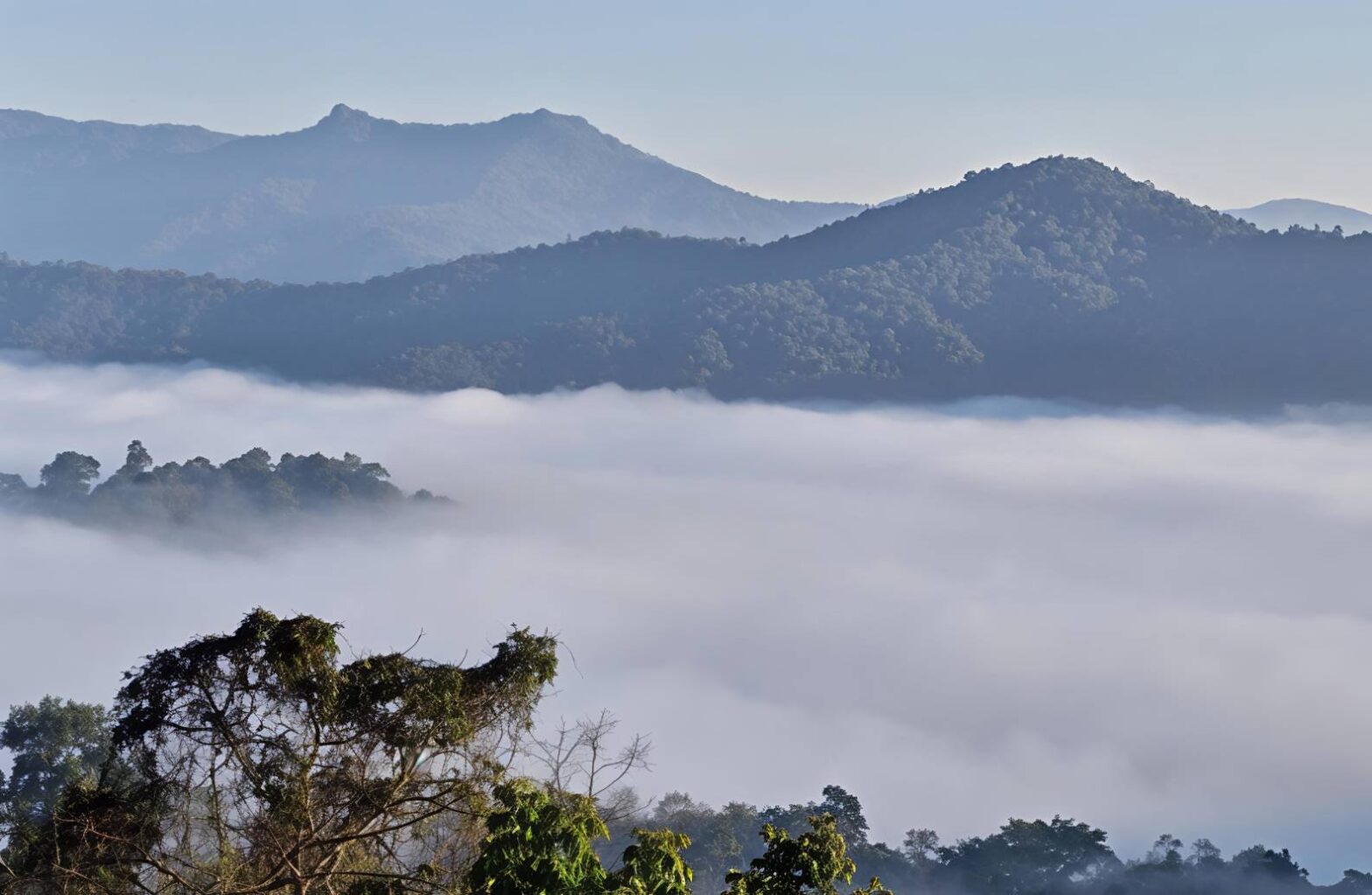
March is generally considered the smokiest month of the year in Chiang Mai. While the city remains one of Thailand’s most popular destinations for culture, food, temples, and remote work, air quality can become a significant concern during this period.
For travelers who enjoy hiking, mountain scenery, photography, and outdoor exploration, smoke season can have a major impact on the overall experience. Understanding what to expect before visiting can help you decide whether Chiang Mai is the right destination for your March itinerary.
Why Does Chiang Mai Become So Smoky in March?
The haze is mainly caused by seasonal agricultural burning across Northern Thailand and neighboring parts of Laos and Myanmar. Farmers often burn crop residue to prepare fields for the next growing season, while forest fires can further contribute to poor air quality.
Chiang Mai’s geography also plays a role. The city sits in a basin surrounded by mountains, which can trap smoke and pollutants for extended periods. As a result, fine particulate pollution, commonly known as PM2.5, frequently reaches its highest levels of the year during March.
Although conditions vary annually, March is typically regarded as the peak of the burning season.
How Bad Is the Air Quality in March?
Travelers visiting Chiang Mai in March should be prepared for the possibility of unhealthy air quality on many days.
Typical conditions may include:
- Elevated PM2.5 levels
- Hazy skies throughout the day
- Reduced visibility across the city
- Limited mountain views
- Eye, nose, and throat irritation for sensitive individuals
During severe smoke events, Chiang Mai has occasionally ranked among the cities with the poorest air quality in the world.
While some visitors adapt easily and continue to enjoy their trip, others find that the haze significantly reduces the appeal of outdoor activities and sightseeing.
Visibility and Photography Conditions
One of the most noticeable effects of smoke season is reduced visibility.
Popular viewpoints around Chiang Mai often look dramatically different from the clear, blue-sky images commonly seen online. Mountain ranges may appear faint or disappear entirely behind a layer of haze.
Destinations frequently affected include:
- Wat Phra That Doi Suthep
- Doi Inthanon National Park
- Scenic mountain roads around Chiang Mai
- Rural viewpoints in surrounding districts
For photographers, March can be challenging. Landscape photography opportunities are often limited, and distant scenery may appear washed out. Sunrises and sunsets can still be attractive, but colors are frequently muted by smoke rather than enhanced by clear atmospheric conditions.
Chiang Mai Smoke Season Timeline
The smoke season generally follows a predictable pattern each year.
| Period | Typical Conditions | Travel Experience |
|---|---|---|
| November – January | Clear skies, cooler temperatures, excellent visibility | Best time for outdoor activities |
| February | Increasing haze and warmer weather | Mixed conditions |
| March | Peak smoke season and highest pollution levels | Least favorable month for outdoor travel |
| Early to Mid-April | Continued haze with gradual improvement | Transitional period |
| Late April – May | Seasonal rainfall improves air quality | Conditions become noticeably better |
What Is It Like for Travelers?
Experiences differ depending on travel style and personal sensitivity to air pollution.
Many visitors report symptoms such as:
- Irritated eyes
- Dry throat
- Mild headaches
- Increased fatigue during outdoor activities
Travelers focused on cafés, coworking spaces, restaurants, and cultural attractions may find the smoke manageable. Many businesses and accommodations use air-conditioning and air purifiers, making indoor environments more comfortable.
However, visitors planning extensive outdoor activities often notice the impact more clearly. Hiking, motorcycle trips, mountain viewpoints, and national park visits can become less enjoyable when visibility is poor and air quality is unhealthy.
Should You Visit Chiang Mai in March?
The answer depends on your travel priorities.
March may still be suitable if you:
- Plan to spend most of your time indoors
- Work remotely and enjoy café culture
- Have fixed travel dates
- Are less sensitive to air pollution
You may want to reconsider if you:
- Prioritize hiking and outdoor adventures
- Want clear mountain views
- Enjoy landscape photography
- Have asthma or respiratory conditions
For first-time visitors seeking the classic Chiang Mai experience, November through January generally provides much more favorable weather and air quality.
Practical Tips for Visiting During Smoke Season
If you decide to visit Chiang Mai in March, a few simple precautions can make your trip more comfortable.
Choose Accommodation Carefully
Look for properties that offer:
- Air purifiers
- Effective air-conditioning
- Well-sealed rooms
Wear a High-Quality Mask
KN95 and N95 masks provide significantly better protection against PM2.5 particles than standard cloth masks.
Check Air Quality Daily
Monitoring local AQI readings can help you decide when to schedule outdoor activities and when it may be better to stay indoors.
Keep Your Itinerary Flexible
Air quality can fluctuate considerably. Having alternative indoor activities planned can help you make the most of your trip.
Final Verdict
March is usually the most challenging month of the year to visit Chiang Mai from an air-quality perspective.
The city’s temples, cafés, restaurants, and cultural attractions remain enjoyable, but smoke and haze can significantly affect outdoor experiences. Travelers interested in mountain scenery, photography, and hiking will generally have a better experience during the cooler and clearer months between November and January.
If March is your only opportunity to visit, realistic expectations and proper preparation can help ensure a rewarding trip despite the seasonal haze.
For a Complete Travel Guide
For more detailed information on transportation options, booking tips, itinerary suggestions, and everything you need to know about planning your trip, visit our full guide:
