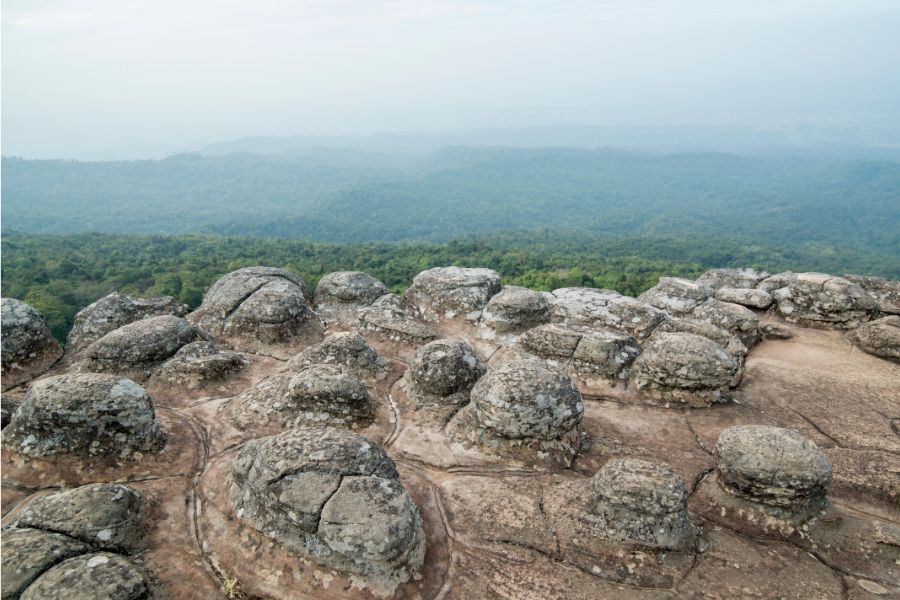
Traveling between Chiang Mai and Phitsanulok covers approximately 330–350 kilometers through the agricultural plains and rolling hills of northern Thailand. For many travelers, this route is more than a transfer—it is a practical and scenic connection between two culturally rich destinations.
Based on shared traveler experiences, buses, trains, and self-drive options consistently stand out for their reliability, affordability, and comfort. Below is a refined overview of what real travelers report, along with practical guidance to help you plan efficiently.
Overview of the Route
| Transport Option | Duration | Price Range | Best For |
|---|---|---|---|
| Bus | 5.5–7 hours | THB 330–500 | Budget-conscious travelers |
| Train | ~5h 44m (express) | THB 225–1,300 | Scenic, relaxed travel |
| Private Car / Taxi | 4.5–5 hours | ~THB 3,800–4,000 (approx.) | Flexibility & door-to-door comfort |
| Self-Drive | ~5 hours | Fuel + tolls | Independent exploration |
Bus Journeys: Practical and Cost-Effective
Many travelers choose buses for their balance of affordability and efficiency. Services typically depart from Arcade Bus Terminal in Chiang Mai and arrive at the main bus terminal in Phitsanulok.
What Travelers Highlight
- Travel time: 5.5–7 hours
- Cost: THB 330–500
- Air-conditioning standard on most services
- Onboard amenities often include reclining seats, light snacks, and restrooms
- Fewer stops compared to local buses
Passengers frequently mention smooth departures and good value for money, particularly for daytime travel. However, during Thai public holidays, seats can sell out quickly.
Night buses are popular among travelers who prefer maximizing daytime sightseeing, though road noise can affect sleep quality. Bringing earplugs is commonly recommended.
Train Experiences: Scenic and Relaxing
The train journey is frequently described as the most scenic option. The countryside unfolds through rice fields, small villages, and distant hills, offering a slower but immersive experience.
One commonly referenced service is the Special Express No. 8, departing Chiang Mai at approximately 08:50 and arriving in Phitsanulok in about 5 hours 44 minutes.
Train Pricing
- Third-class seats: from THB 225
- Second-class air-conditioned seats: mid-range pricing
- Premium or sleeper options: up to THB 1,300
Travelers describe the train as comfortable and calm, with panoramic views and generous legroom compared to buses. Families often prefer this option for perceived safety and spaciousness.
Phitsanulok Railway Station is centrally located. Taxis to the bus terminal or city center typically cost around THB 60, making onward connections simple.
Limited daily departures mean advance planning is advisable, particularly during peak season.
Road Trip Stories: Flexibility and Scenic Stops
For drivers, the journey via Route 11 spans approximately 355 kilometers and takes around 5 hours under normal traffic conditions.
Why Travelers Choose to Drive
- Freedom to stop for photography
- Opportunity to detour toward historical parks and mountain viewpoints
- Flexible departure times
Some travelers combine the journey with visits to historical sites near Sukhothai or nearby national parks, turning the transfer into a 1–2 day road trip.
Private taxis typically complete the trip in 4.5 hours, costing approximately THB 3,800–4,000 (converted from around EUR 100). Couples and small groups often praise the convenience of direct hotel-to-hotel transfers.
Drivers recommend fueling up before mountainous sections and planning rest stops in advance.
Unexpected Highlights Along the Way
Several travelers recount adjusting their plans mid-journey—taking night trains, breaking up the trip with an overnight stay, or adding spontaneous riverside stops.
A frequent highlight upon arrival is a visit to Wat Phra Si Rattana Mahathat, one of Thailand’s most revered temples. After hours on the road or rail, its serene atmosphere provides a meaningful cultural pause before continuing onward.
These shared experiences consistently reinforce a key point: the Chiang Mai–Phitsanulok route is dependable, affordable, and especially pleasant during the cool season (November to February).
Practical Planning Tips
- Travel mid-week to avoid holiday congestion.
- Book in advance during peak travel periods.
- Choose morning departures for smoother traffic.
- Consider train travel if scenery is a priority.
- For families, prioritize comfort and restroom access.
- If driving, monitor weather during the rainy season.
- Allow buffer time for onward connections.
- Carry light snacks and drinking water.
- Keep small cash ready for taxis or local transport.
- Review luggage policies for buses and trains.
Frequently Asked Questions (FAQs)
1. How far is Chiang Mai from Phitsanulok?
The distance is approximately 330–350 kilometers, depending on the specific route taken.
2. What is the fastest way to travel between the two cities?
A private car or taxi typically takes 4.5–5 hours, making it the fastest land option.
3. How much does a bus ticket cost?
Bus fares generally range between THB 330 and THB 500, depending on service class.
4. Is the train more comfortable than the bus?
Many travelers find trains more spacious and scenic, especially second-class air-conditioned options.
5. How long does the train take?
Express services take approximately 5 hours 44 minutes, while slower trains may take longer.
6. Are night buses available?
Yes. Night buses operate on certain schedules and are popular for saving daytime hours.
7. Is the road safe for self-driving?
Route 11 is a well-maintained highway. Drivers report smooth conditions, though caution is advised during rainy months.
8. How much does a private taxi cost?
Expect to pay approximately THB 3,800–4,000 for a private transfer.
9. Is it suitable for families?
Yes. Families often prefer trains for space and safety, though comfortable buses are also available.
10. When is the best time to travel?
The cool, dry season from November to February offers the most comfortable conditions.
For a Complete Travel Guide
For more detailed information on transportation options, booking tips, itinerary suggestions, and everything you need to know about planning your trip, visit our full guide:
