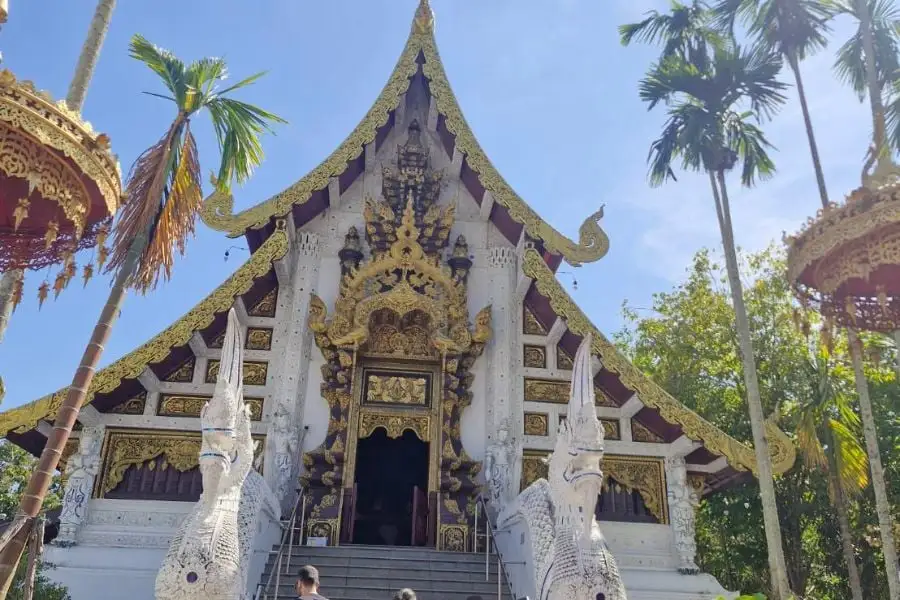
Traveling from Phitsanulok to Chiang Mai is more than a 350 km transfer between two northern Thai cities. The journey along Highway 11 offers access to UNESCO-listed ruins, classic Lanna temples, and lesser-known provincial landmarks—ideal for travelers who want to enrich their itinerary with history, architecture, and regional culture.
This guide outlines practical transport options and highlights key heritage stops that can be comfortably incorporated into your route.
Overview of the Route
- Distance: Approximately 350 km
- Main Route: Highway 11
- Typical Travel Time:
- Bus: 4.5–5 hours
- Train: 7–8 hours
- Self-drive: 4.5–5.5 hours (excluding stops)
Highway 11 connects central northern Thailand to the Lanna heartland, passing rice fields, river plains, and low forested hills.
Transport Options: Cost, Time, and Experience
1. Bus (Fastest Public Option)
Intercity buses operate regularly between Phitsanulok Bus Terminal and Chiang Mai Arcade Bus Station.
- Travel Time: 4 hours 30 minutes – 5 hours
- Fare: THB 260–400, depending on class
- Frequency: Multiple departures daily
- Best For: Budget travelers seeking efficiency
VIP and air-conditioned buses provide comfortable seating suitable for families or long-distance travelers.
2. Train (Scenic but Slower)
Trains depart daily from Phitsanulok Railway Station toward Chiang Mai.
- Travel Time: 7–8 hours
- Fare Range:
- Third-class seat: THB 120–200
- Second-class air-conditioned seat/sleeper: THB 500–900
- First-class sleeper: Up to THB 1,300
- Best For: Scenic travel and relaxed pace
Rail journeys offer countryside views and a slower rhythm, though limited flexibility for intermediate sightseeing.
3. Self-Drive (Most Flexible Option)
Driving provides the greatest freedom to explore heritage sites en route.
- Travel Time (non-stop): 4.5–5.5 hours
- Fuel Cost Estimate: Approximately THB 1,200–1,800 (vehicle dependent)
- Best For: Cultural detours, photography stops, family travel
Highway 11 is well maintained, with rest stops, fuel stations, and food options along the way.
Cultural and Historical Highlights Along the Route
1. Wat Phra Si Rattana Mahathat (Wat Yai) – Phitsanulok
Before departing, visit this revered temple in central Phitsanulok.
- Home to the Phra Buddha Chinnarat, one of Thailand’s most admired Buddha images
- Classic Sukhothai-era artistry
- Active place of worship
Suggested Time: 45–60 minutes
Entry Fee: Free
2. Sukhothai Historical Park
Distance from Phitsanulok: 70 km (approx. 1 hour)
A UNESCO World Heritage Site, Sukhothai was the capital of the first Siamese kingdom in the 13th century.
Key highlights include:
- Wat Mahathat – Central temple complex with lotus ponds and iconic seated Buddha images
- Ruins of royal palaces and ancient city walls
- Peaceful landscaped grounds ideal for cycling
Suggested Visit Duration: 2–3 hours
Entry Fee: THB 100 per zone (central zone most visited)
This stop offers a foundational understanding of Thai architectural evolution.
3. Uttaradit – Provincial Heritage and Nature
Distance from Sukhothai: Approx. 140 km
Though less visited by international tourists, Uttaradit provides a cultural and natural pause.
Key stops include:
- Phraya Phichai Monument – Honoring a historic military hero
- Sirikit Dam – Scenic reservoir views
Suggested Time: 1 hour
Entry Fee: Free
This segment breaks the journey and introduces local provincial history.
4. Lampang – Lanna Architecture Preserved
Distance from Phitsanulok: Approx. 250 km
Lampang is one of northern Thailand’s most architecturally distinctive towns.
Wat Phra That Lampang Luang
- 13th-century fortified Lanna temple
- Houses a sacred Buddha hair relic chedi
- Preserved wooden viharn halls
- Traditional Lanna murals and architecture
Suggested Visit Duration: 1–2 hours
Entry Fee: THB 20–50
Unlike many northern temples, this complex retains its original fortified layout, offering insight into early Lanna religious design.
Arrival in Chiang Mai: Cultural Continuation
Wat Phra Singh
Located inside the Old City walls, this temple exemplifies classic Lanna craftsmanship and houses the revered Phra Singh Buddha image.
Tha Phae Gate
The eastern gate of the Old City, historically part of Chiang Mai’s defensive walls, now serves as a lively entry point to markets and festivals.
Wat Phra That Doi Suthep
Perched above the city:
- Panoramic views over Chiang Mai
- Gold-plated chedi
- Spiritual significance for northern Thailand
This final stop completes the cultural progression from Sukhothai-era roots to mature Lanna civilization.
Suggested Cultural Stop Summary
| Stop | Distance from Phitsanulok | Recommended Time | Entry Fee |
|---|---|---|---|
| Wat Phra Si Rattana Mahathat | City center | 45–60 min | Free |
| Sukhothai Historical Park | 70 km | 2–3 hrs | THB 100 (central zone) |
| Uttaradit Landmarks | 140 km | 1 hr | Free |
| Wat Phra That Lampang Luang | 250 km | 1–2 hrs | THB 20–50 |
When Is the Best Time to Travel?
- Cool Season (Nov–Feb): Most comfortable for temple exploration
- Hot Season (Mar–May): Plan early morning visits
- Rainy Season (Jun–Oct): Fewer tourists, lush scenery, occasional heavy showers
Cultural sites remain open year-round.
Travel Planning Tips
- Start early if planning multiple stops.
- Allocate at least 6–8 total hours if combining two major heritage sites.
- Carry cash for entry fees in smaller towns.
- Dress modestly when visiting temples (covered shoulders and knees).
Conclusion
The route from Phitsanulok to Chiang Mai is not simply a transfer between cities but a layered cultural corridor. From the refined Sukhothai-era artistry of Wat Mahathat to the fortified Lanna elegance of Lampang’s temples, the journey reflects the evolution of northern Thai civilization.
Travelers who allow time for heritage stops gain a far deeper understanding of the region than those who travel directly.
Frequently Asked Questions (FAQs)
1. What is the fastest way to travel from Phitsanulok to Chiang Mai?
Buses typically take 4.5–5 hours, making them the fastest public transport option.
2. Is the train worth taking for this route?
Yes, if you value scenery and a relaxed pace. However, it takes 7–8 hours.
3. Can I visit Sukhothai Historical Park on the same day I travel to Chiang Mai?
Yes, but you should allow at least 2–3 hours for exploration and plan an early departure.
4. How much should I budget for entrance fees along the route?
Approximately THB 150–200, depending on the number of sites visited.
5. Is driving safe on Highway 11?
Yes, it is a well-maintained highway with regular rest stops and fuel stations.
6. Are temples open daily?
Most temples are open daily from early morning until late afternoon.
7. What should I wear when visiting temples?
Modest clothing covering shoulders and knees is required.
8. Is Lampang worth stopping for if short on time?
If architecture interests you, Wat Phra That Lampang Luang is one of the best-preserved Lanna temples in Thailand.
9. Are there food options along the route?
Yes, Highway 11 has local restaurants, cafés, and rest areas in major towns.
10. Can this journey be done comfortably with children?
Yes. Breaking the trip into cultural stops makes it manageable and engaging for families.
For a Complete Travel Guide
For more detailed information on transportation options, booking tips, itinerary suggestions, and everything you need to know about planning your trip, visit our full guide:
