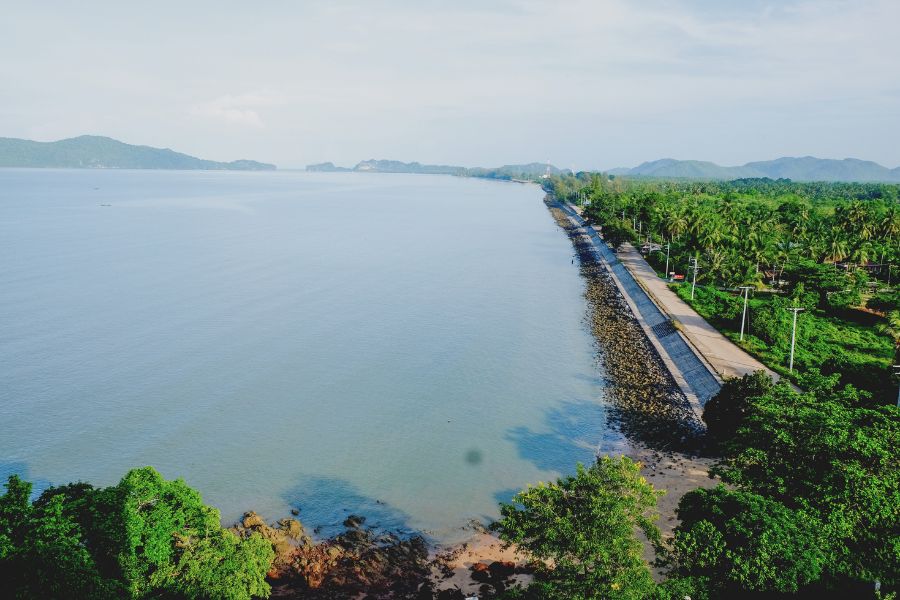
Speedboat transfers are one of the fastest and most popular ways to reach Koh Lipe, especially from Pak Bara Pier. The journey typically takes 1.5–2 hours across the Andaman Sea and offers a convenient connection to the island.
However, speedboat travel can be affected by changing sea conditions, seasonal weather patterns, and rough waves. For first-time visitors, understanding basic safety precautions will help ensure a smooth and secure journey. The following guide outlines practical safety tips before departure, onboard behavior, and important precautions for families traveling with children.
Understanding Speedboat Travel to Koh Lipe
Most travelers reach Koh Lipe via speedboat from Pak Bara Pier on Thailand’s mainland. During the high season (November–April), sea conditions are usually calmer, and boats operate regularly. In the green season (May–October), stronger winds and higher waves can lead to delays or cancellations.
Typical journey details:
| Route | Travel Time | Typical Price |
|---|---|---|
| Pak Bara Pier → Koh Lipe | 1.5–2 hours | THB 700–THB 1,000 |
Speedboats are designed for quick island transfers, but because they are smaller than ferries, they are more sensitive to waves and wind conditions. Taking simple precautions can greatly improve comfort and safety.
1. Pre-Trip Safety Checks
Preparing before departure is one of the most effective ways to reduce risks when traveling by speedboat.
Check Weather and Sea Conditions
Before your travel day, review weather forecasts provided by the Thai Meteorological Department.
Travelers should reconsider travel plans if forecasts show:
- Heavy rain or thunderstorms
- Strong winds above 15 knots
- High wave warnings
- Marine storm advisories
Operators may cancel trips in unsafe conditions, but checking forecasts in advance helps you plan alternative travel days if necessary.
Choose Reputable Operators
When booking speedboat tickets:
- Confirm the operator has licensed captains and safety equipment
- Verify that life jackets are provided for all passengers
- Check departure points and arrival procedures at Pak Bara Pier
Reputable operators also monitor weather conditions and may adjust departure times for safety.
Travel During the Calmer Season
Whenever possible, schedule island transfers during the dry season (November–April) when seas are typically calmer and services run more consistently.
Travel during the rainy season is still possible, but travelers should remain flexible in case of schedule changes.
Purchase Travel Insurance
Travel insurance that includes marine transportation disruptions is highly recommended. Coverage can help with:
- Trip cancellations due to weather
- Delayed departures
- Missed connections
2. Safety Practices During the Speedboat Journey
Once onboard, following the crew’s instructions is essential for a safe trip.
Always Wear Your Life Jacket
Passengers should wear their life jacket throughout the entire journey.
For proper use:
- Fasten all straps securely
- Ensure the jacket fits snugly
- Keep it on even during calm waters
Life jackets are mandatory safety equipment and should never be removed during the trip.
Remain Seated While the Boat Is Moving
Speedboats travel quickly and may bounce over waves. To avoid injury:
- Stay seated at all times
- Avoid walking around the boat
- Hold onto handrails if the sea becomes rough
Standing or moving during the journey increases the risk of falls, especially in choppy water.
Prepare for Motion Sickness
Rough seas can cause discomfort for some passengers. Travelers prone to seasickness should:
- Take motion sickness medication before boarding
- Sit toward the middle of the boat where movement is reduced
- Focus on the horizon when waves become stronger
Keeping hydrated and avoiding heavy meals before departure can also help.
Secure Personal Belongings
Speedboats can experience sudden movement when crossing waves. To avoid hazards:
- Store bags under seats or in designated storage areas
- Keep cameras and phones secured in waterproof bags
- Avoid leaving loose items on seats or floors
This prevents belongings from shifting or falling during the journey.
3. Safety Tips for Families Traveling with Children
Families traveling to Koh Lipe should take additional precautions to ensure children remain safe and comfortable during the trip.
Ensure Proper Life Jacket Use
Children must wear life jackets throughout the entire journey. Parents should check that:
- The life jacket is correctly sized
- Straps are tightened securely
- Children keep the jacket on during the trip
Maintain Close Supervision
Speedboats can be crowded during peak travel periods. Parents should:
- Keep children seated beside them
- Avoid letting children move around the boat
- Monitor them closely during boarding and disembarking
Choose Morning Departures
Morning departures from Pak Bara Pier are often smoother because:
- Sea conditions are typically calmer early in the day
- Afternoon winds may increase wave height
Earlier departures can therefore provide a more comfortable ride for families.
Ferry vs Speedboat: Which Is Safer in Rough Weather?
Speedboats are efficient, but larger ferries may provide a more stable ride during rough conditions.
| Option | Travel Time | Comfort in Rough Seas |
|---|---|---|
| Speedboat | 1.5–2 hours | Moderate |
| Ferry | 2.5–3 hours | More stable |
If seas are particularly rough, some travelers prefer ferries for their larger size and smoother ride, even though the journey takes longer.
Final Travel Advice
Speedboat transfers to Koh Lipe are generally safe when operated by experienced crews and when passengers follow onboard safety instructions. By checking weather forecasts, wearing life jackets properly, and remaining seated during the journey, travelers can significantly reduce risks.
For first-time visitors, these simple precautions help ensure that the trip across the Andaman Sea remains safe, comfortable, and enjoyable.
Frequently Asked Questions
1. Are speedboats to Koh Lipe safe?
Yes. Speedboats operating from Pak Bara Pier follow marine safety regulations and provide life jackets. Safety depends largely on weather conditions and passengers following crew instructions.
2. How long does the speedboat trip to Koh Lipe take?
Most speedboat transfers take 1.5–2 hours from Pak Bara Pier to Koh Lipe.
3. How much does a speedboat ticket cost?
Speedboat tickets usually cost between THB 700 and THB 1,000, depending on the season and operator.
4. When is the best time of year to travel to Koh Lipe by speedboat?
The dry season (November–April) generally offers calmer seas and more reliable schedules.
5. Can speedboat trips be canceled due to weather?
Yes. Operators may cancel departures if strong winds, storms, or high waves make travel unsafe.
6. Should I take seasickness medication before the trip?
If you are prone to motion sickness, taking medication before departure is recommended, particularly during windy or rough sea conditions.
7. Are life jackets provided on speedboats?
Yes. All passengers are provided with life jackets and are expected to wear them during the journey.
8. Is speedboat travel suitable for children?
Yes, but children must wear life jackets and remain seated under close supervision throughout the trip.
9. What should I do if the sea becomes rough during the journey?
Remain seated, hold onto handrails if necessary, and follow all instructions from the boat crew.
10. Is there a more stable alternative to speedboats?
Yes. Ferries take longer but may provide a smoother ride during rough sea conditions.
For a Complete Travel Guide
For more detailed information on transportation options, booking tips, itinerary suggestions, and everything you need to know about planning your trip, visit our full guide:
