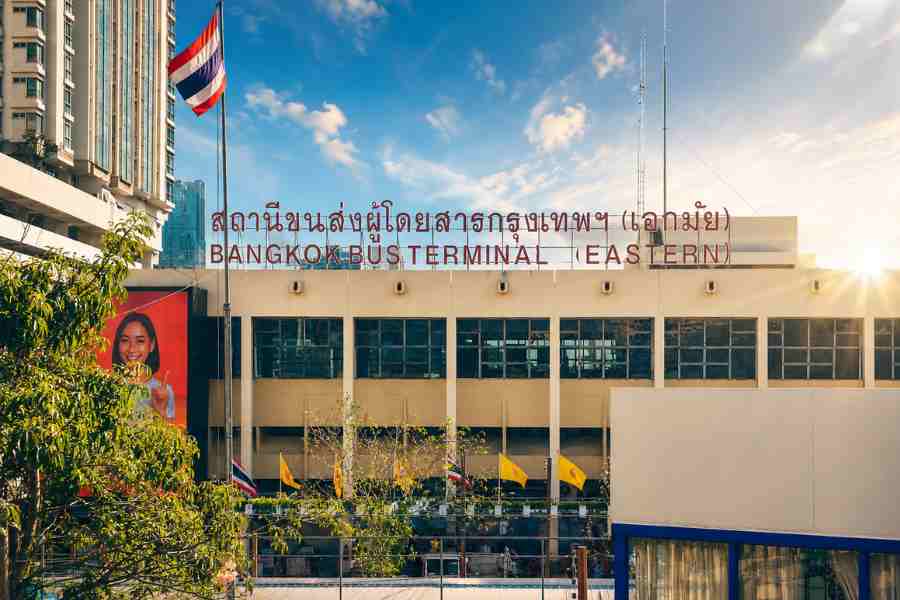
Thailand has one of the most diverse transportation systems in Southeast Asia. Modern metro networks, domestic airlines, overnight trains, ferries, long-distance buses, and traditional local transport all operate together across the country.
For first-time visitors, transportation in Thailand is generally affordable, widely available, and relatively easy to use. The main challenge is understanding which transport option is best for each route, budget, and travel style.
This guide explains how transportation works in Thailand, including the most practical options for foreign travelers, realistic costs, safety considerations, and useful tips for navigating cities, islands, and regional routes.
Understanding Transportation in Thailand
Thailand’s transportation network can be divided into three main categories:
| Transport Type | Best For | Typical Cost |
|---|---|---|
| Domestic flights | Fast travel between regions | THB 1,200–4,500 |
| Trains and buses | Budget and scenic travel | THB 200–1,500 |
| Local transport | City and short-distance travel | THB 15–400 |
Most travelers use a combination of transport types during one trip. For example:
- Flight from Bangkok to Chiang Mai
- Songthaew within Chiang Mai
- Overnight train back to Bangkok
- Ferry transfer to southern islands
Understanding how these systems connect makes traveling around Thailand significantly easier.
Domestic Flights


6
Domestic flights are the fastest way to travel long distances in Thailand, especially for visitors with limited vacation time.
Bangkok has two major airports:
- Suvarnabhumi Airport
- Don Mueang International Airport
Regional airports serve most major tourist destinations, including:
- Chiang Mai International Airport
- Phuket International Airport
- Krabi International Airport
- Samui Airport
- Surat Thani International Airport
Typical flight times and prices:
| Route | Flight Time | Average Price |
|---|---|---|
| Bangkok → Chiang Mai | 1 hr 15 min | THB 1,200–3,500 |
| Bangkok → Phuket | 1 hr 25 min | THB 1,500–4,000 |
| Bangkok → Krabi | 1 hr 20 min | THB 1,200–3,500 |
| Bangkok → Surat Thani | 1 hr 10 min | THB 1,000–3,000 |
Flights are ideal for:
- Short holidays
- Families with children
- Multi-city itineraries
- Travelers avoiding long overnight journeys
Budget airlines often offer attractive fares, although checked baggage is usually charged separately.
Trains in Thailand


6
Thailand’s rail system is operated by the State Railway of Thailand and connects Bangkok with northern, northeastern, eastern, and southern regions.
Popular train routes include:
| Route | Approximate Travel Time |
|---|---|
| Bangkok → Chiang Mai | 10–14 hours |
| Bangkok → Surat Thani | 8–12 hours |
| Bangkok → Nong Khai | 9–11 hours |
| Bangkok → Hua Hin | 4–5 hours |
Train classes include:
- First Class Sleeper
- Second Class Sleeper
- Third Class Seating
Second-class sleeper trains are the most popular option for international travelers because they balance comfort and affordability.
Advantages of train travel:
- Scenic journeys
- Comfortable overnight travel
- Lower costs than flights
- Reduced need for hotel stays on overnight routes
However, delays can occur, particularly on longer routes.
Intercity Buses and Minivans


6
Intercity buses connect nearly every province in Thailand and remain one of the most affordable ways to travel.
Common bus categories include:
| Bus Type | Comfort Level | Typical Price |
|---|---|---|
| Standard Bus | Basic | THB 200–600 |
| Air-conditioned Bus | Moderate | THB 400–900 |
| VIP Bus | Reclining seats and extra space | THB 700–1,500 |
Minivans are commonly used on shorter regional routes such as:
- Chiang Mai → Pai
- Krabi → Phuket
- Bangkok → Hua Hin
While convenient, minivans can feel crowded for travelers carrying large luggage.
Buses and vans are best for:
- Budget travel
- Flexible regional transportation
- Destinations without airports
Ferries and Speedboats


6
Ferries and speedboats are essential for island travel in Thailand.
Popular ferry routes include:
| Route | Approximate Time |
|---|---|
| Surat Thani → Koh Samui | 1.5–3 hours |
| Koh Samui → Koh Phangan | 30–60 minutes |
| Phuket → Phi Phi Islands | 1–2 hours |
| Krabi → Koh Lanta | 2–4 hours |
Typical ferry prices:
- THB 300–1,200 depending on distance and vessel type
Long-tail boats are also widely used for:
- Short island transfers
- Beach access
- River crossings
- Canal transportation
Sea conditions can affect schedules during the rainy season, especially between May and October.
Transportation in Bangkok
BTS Skytrain, MRT, and Airport Rail Link


6
Bangkok’s rail systems are the most efficient way to avoid traffic in the capital.
The main systems include:
| System | Main Purpose |
|---|---|
| BTS Skytrain | Shopping and commercial districts |
| MRT Subway | Central Bangkok connections |
| Airport Rail Link | Airport transportation |
Typical fares:
- THB 17–62
Advantages:
- Air-conditioned trains
- English signage
- Fast travel during rush hour
- Affordable pricing
For most travelers, Bangkok rail transit becomes the foundation of daily transportation.
Taxis and Ride-Hailing


6
Metered taxis operate throughout Bangkok and other large cities.
Typical starting fare:
- Around THB 35–40
Travelers should:
- Request the meter before departure
- Confirm the destination clearly
- Avoid unofficial drivers approaching tourists
Ride-hailing services are popular because they provide:
- Upfront pricing
- Easier communication
- Digital payment options
Motorcycle taxis are quicker in heavy traffic but are generally less safe than standard taxis.
Tuk-Tuks and Songthaews


4
Tuk-tuks are one of Thailand’s most recognizable forms of transportation. They are useful for short trips but are often more expensive than regular taxis.
Important points:
- Fares are negotiated before departure
- Most tuk-tuks do not use meters
- Tourist areas may charge higher prices
Songthaews are shared pickup trucks with bench seating that operate throughout many provincial cities and towns.
In Chiang Mai, songthaews function similarly to shared local buses.
Typical fares:
- THB 20–60 for local shared rides
Boats in Bangkok


Boat transportation is one of the most practical ways to explore riverside Bangkok.
The Chao Phraya River ferry system provides convenient access to major attractions such as:
- Wat Arun
- Grand Palace
- Iconsiam
Public boats are:
- Affordable
- Scenic
- Less affected by road traffic
Typical fares:
- THB 15–40
Transportation in Tourist Areas and Islands
Outside Bangkok, transportation systems are often more informal.
Common options include:
- Songthaews
- Shared vans
- Local taxis
- Scooter rentals
- Boat taxis
In destinations such as:
- Phuket
- Krabi
- Koh Samui
- Chiang Mai
public transportation may be less structured than in Bangkok.
Scooter rentals are extremely common, especially on islands. However, travelers should only rent scooters if they:
- Have previous riding experience
- Hold a valid motorcycle license
- Carry an International Driving Permit
- Understand insurance requirements
Recommended Transportation for First-Time Visitors
For most travelers, the following combination works best:
| Situation | Recommended Transport |
|---|---|
| Bangkok city travel | BTS, MRT, river boats |
| Airport transfers | Airport Rail Link or taxi |
| Long-distance routes | Domestic flights |
| Scenic overnight journeys | Sleeper trains |
| Island transportation | Ferries and speedboats |
| Small towns | Songthaews and taxis |
| Budget travel | Buses and trains |
Safety Tips and Common Tourist Mistakes
Road Safety
Thailand’s roads can be difficult for inexperienced drivers. Motorbike accidents involving tourists are relatively common, particularly on islands and mountain roads.
Safer options generally include:
- Trains
- Flights
- Licensed taxis
- Reputable bus operators
Taxi and Tuk-Tuk Scams
Common issues include:
- Refusing to use the meter
- Overcharging
- Unwanted shopping stops
- “Special tour” offers
Travelers should:
- Confirm fares clearly
- Avoid unsolicited offers
- Use official transportation points
Booking During High Season
Transportation becomes busier during:
- December and January
- Songkran Festival
- Long public holidays
- New Year periods
Advance booking is recommended for:
- Sleeper trains
- Flights
- Ferries
- VIP buses
Final Thoughts
Thailand is one of the easiest countries in Asia for independent travel. The transportation network is extensive, relatively affordable, and capable of connecting almost every major tourist destination.
For first-time visitors, the most effective approach is usually:
- Flights for long distances
- Trains for scenic overnight travel
- Bangkok rail systems for city transportation
- Ferries for island routes
- Local shared transport for shorter regional trips
Once travelers understand how these systems work together, traveling around Thailand becomes straightforward and highly rewarding.
FAQs
1. What is the easiest way to travel around Thailand?
Domestic flights combined with Bangkok’s BTS and MRT systems are usually the easiest option for first-time visitors.
2. Are trains in Thailand comfortable?
Yes. Second-class sleeper trains are especially popular because they are affordable, comfortable, and practical for overnight travel.
3. Is public transportation in Bangkok tourist-friendly?
Yes. Bangkok’s rail systems have English signage, clear station maps, and affordable fares.
4. How expensive is transportation in Thailand?
Transportation in Thailand is relatively inexpensive. Local transport can cost as little as THB 20, while domestic flights generally range from THB 1,200–4,500.
5. Are taxis safe in Thailand?
Licensed taxis are generally safe, but travelers should request the meter before starting the trip.
6. Should tourists rent scooters in Thailand?
Only experienced riders with proper licenses and insurance should rent scooters.
7. What is the cheapest long-distance transport option?
Buses and third-class trains are usually the cheapest ways to travel between cities.
8. When should ferry tickets be booked?
During high season and holidays, ferry tickets should ideally be booked several days in advance.
9. Are overnight trains better than overnight buses?
Many travelers consider overnight trains safer and more comfortable, although buses may be faster on some routes.
10. Can travelers use English when traveling around Thailand?
In most tourist areas, airports, train stations, and hotels, basic English is usually sufficient.
