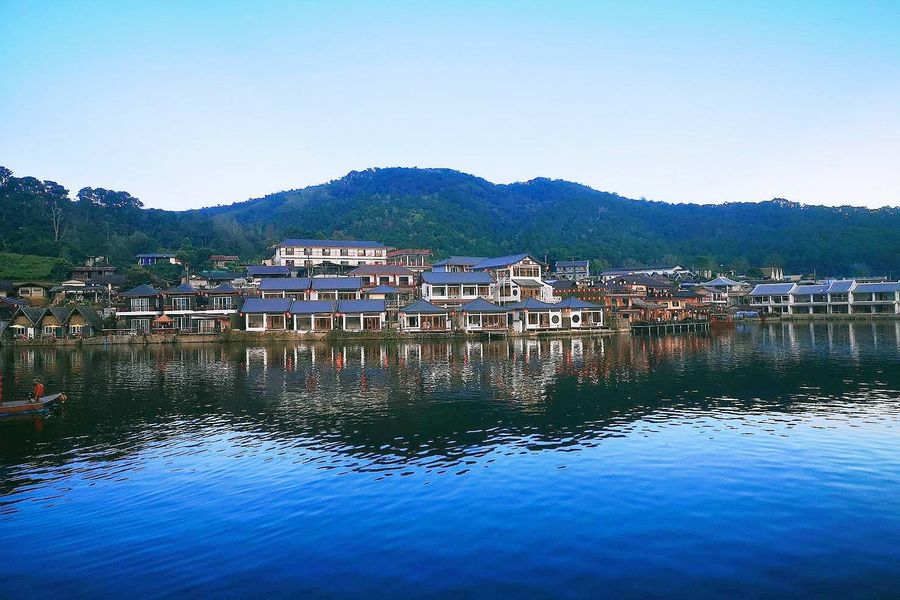
Northern Thailand is one of Southeast Asia’s most rewarding regions for road trips. Routes through Chiang Mai, Pai, Mae Hong Son, Chiang Rai, and the Golden Triangle offer mountain scenery, winding roads, and remote villages that are difficult to reach by public transport alone. However, road travel in the region also carries risks, particularly for travelers riding motorcycles or scooters for the first time.
For first-time visitors, choosing the right travel insurance is just as important as planning your route. Many travelers discover too late that standard travel insurance does not automatically cover motorcycle accidents, especially if licensing requirements are not met.
This guide explains the most important travel insurance considerations for Northern Thailand road trips, including motorcycle coverage, common exclusions, recommended coverage limits, and practical safety tips.
Why Travel Insurance Matters in Northern Thailand
Thailand has modern private hospitals and excellent emergency care in major cities such as Chiang Mai and Chiang Rai. However, treatment costs can become expensive quickly, particularly after road accidents involving motorcycles or scooters.
Medical treatment following even a minor accident may include:
- Emergency transport
- X-rays or scans
- Surgery
- Overnight hospital stays
- Medical evacuation to Bangkok or your home country
Travel insurance is not legally required for most tourists entering Thailand, but it is strongly recommended for anyone planning a self-drive road trip or motorcycle journey.
Motorcycle and Scooter Coverage: The Most Important Detail
Many visitors assume their travel insurance automatically covers scooter or motorcycle accidents. In reality, this is one of the most common reasons insurance claims are denied in Thailand.
Valid Motorcycle License and International Driving Permit (IDP)
Most insurance companies require both:
| Requirement | Why It Matters |
|---|---|
| Valid motorcycle license from your home country | Confirms you are legally licensed to ride motorcycles |
| International Driving Permit (IDP) | Required for legal driving recognition in Thailand |
If you only hold a standard car license, your insurer may reject claims involving motorcycles or scooters.
This is especially important because police checks occasionally occur in tourist areas such as Pai and Chiang Mai.
Engine Size Restrictions
Insurance policies often include engine-size limitations.
| Engine Size | Typical Insurance Requirement |
|---|---|
| Up to 50cc | Sometimes covered with limited licensing |
| 110cc–125cc scooters | Usually require motorcycle endorsement |
| Over 125cc | Typically requires a full motorcycle license |
Since many rental scooters in Thailand are 110cc–160cc, travelers should check policy wording carefully before riding.
Motorcycle-Specific Coverage
Standard travel insurance frequently excludes:
- Motorbike accidents
- Scooter rentals
- Passenger injuries on motorcycles
- Off-road riding
- Racing or reckless driving
Before purchasing insurance, confirm that motorcycle or scooter use is explicitly included.
Northern Thailand Road Conditions and Risk Factors
Northern Thailand’s mountain roads are beautiful but demanding, especially for inexperienced riders.
Mountain Roads and Sharp Curves
Routes such as the road between Chiang Mai and Pai are known for hundreds of sharp bends and steep mountain sections.
Common risks include:
- Blind hairpin turns
- Sudden overtaking by local drivers
- Loose gravel after rain
- Fog during cool season mornings
- Limited road lighting at night
Avoid Night Driving
Night riding in rural Northern Thailand is significantly more dangerous due to:
- Poor road lighting
- Drunk driving
- Animals crossing roads
- Reduced visibility in mountain areas
First-time visitors should plan routes during daylight hours only.
Wet Season Hazards
From approximately May to October, heavy rain can create:
- Slippery roads
- Landslides
- Flash flooding
- Reduced visibility
Road conditions can change quickly during monsoon periods, particularly on remote mountain routes.
Adventure Activities May Require Extra Coverage
Northern Thailand is popular for outdoor activities including:
- Ziplining
- White-water rafting
- Trekking
- ATV tours
- Jungle excursions
Many standard travel insurance policies exclude “adventure activities” unless additional coverage is purchased.
Travelers should verify whether these activities are covered before booking tours.
Recommended Travel Insurance Coverage
The following coverage levels are widely considered suitable for Thailand road trips.
| Coverage Type | Recommended Minimum |
|---|---|
| Medical expenses | THB 750,000 |
| Emergency medical evacuation | Included |
| Accidental death/disability | THB 1 million |
| Trip cancellation/interruption | Included |
| Personal liability | Recommended |
| Motorcycle/scooter coverage | Essential for riders |
Higher medical limits are recommended for travelers planning longer motorcycle tours or remote mountain routes.
Best Insurance Considerations for Digital Nomads
Long-term travelers and digital nomads often prefer flexible monthly insurance rather than short vacation policies.
Some international insurers offer:
- Monthly subscriptions
- Multi-country coverage
- Coverage for extended stays
- Flexible renewals while abroad
When comparing providers, travelers should prioritize:
- Motorcycle coverage
- Emergency evacuation
- Direct billing with hospitals
- 24-hour emergency support
Practical Insurance Tips Before Your Road Trip
Save Insurance Documents Offline
Keep screenshots of:
- Policy number
- Emergency hotline
- Coverage summary
- Passport details
Mobile signal may be limited in mountain regions.
Leave Copies With Family or Friends
Share your itinerary and insurance details with someone at home, especially for long solo road trips.
Carry Emergency Cash
Some hospitals in Thailand request upfront payment before treatment or discharge, even if insurance reimbursement is available later.
Carrying emergency funds can help avoid delays.
Important Emergency Numbers in Thailand
| Service | Number |
|---|---|
| Tourist Police | 1155 |
| Tourist Hotline | 1672 |
| Emergency Medical Services | 1669 |
Final Thoughts
Northern Thailand offers some of the most memorable road-trip experiences in Southeast Asia, but the region’s mountain roads and motorcycle culture require careful preparation.
For first-time visitors, the most important travel insurance consideration is ensuring legal motorcycle coverage. Without the correct license, IDP, and policy wording, insurers may refuse to cover accident-related costs.
Before starting your trip, review your insurance policy carefully, avoid unnecessary risks, and plan routes conservatively—especially during the rainy season or in remote mountain areas.
FAQs
1. Is travel insurance mandatory for Thailand road trips?
Travel insurance is not mandatory for most tourists entering Thailand, but it is highly recommended, especially for motorcycle or scooter travel.
2. Does standard travel insurance cover scooter accidents in Thailand?
Not always. Many policies exclude motorcycle and scooter use unless specific coverage is included.
3. Do I need an International Driving Permit in Thailand?
Yes. Most insurers require an IDP alongside your valid motorcycle license from your home country.
4. Can insurance reject claims if I do not have a motorcycle license?
Yes. Riding without proper licensing is one of the most common reasons travel insurance claims are denied.
5. What medical coverage amount is recommended for Thailand?
A minimum of THB 750,000 in medical coverage is generally recommended for travelers.
6. Is the Chiang Mai to Pai road dangerous?
The route is scenic but challenging, with many sharp curves, steep mountain sections, and occasional reckless overtaking.
7. Should travelers avoid riding at night in Northern Thailand?
Yes. Night riding increases accident risk due to poor visibility, drunk driving, and limited road lighting.
8. Are adventure activities covered by standard insurance?
Not always. Activities such as rafting, ziplining, and ATV tours may require additional coverage.
9. Do hospitals in Thailand accept travel insurance directly?
Some private hospitals do, but many still request upfront payment before reimbursement.
10. What is the emergency number for Tourist Police in Thailand?
The Tourist Police hotline is 1155.
For a Complete Travel Guide
For more detailed information on transportation options, booking tips, itinerary suggestions, and everything you need to know about planning your trip, visit our full guide:
