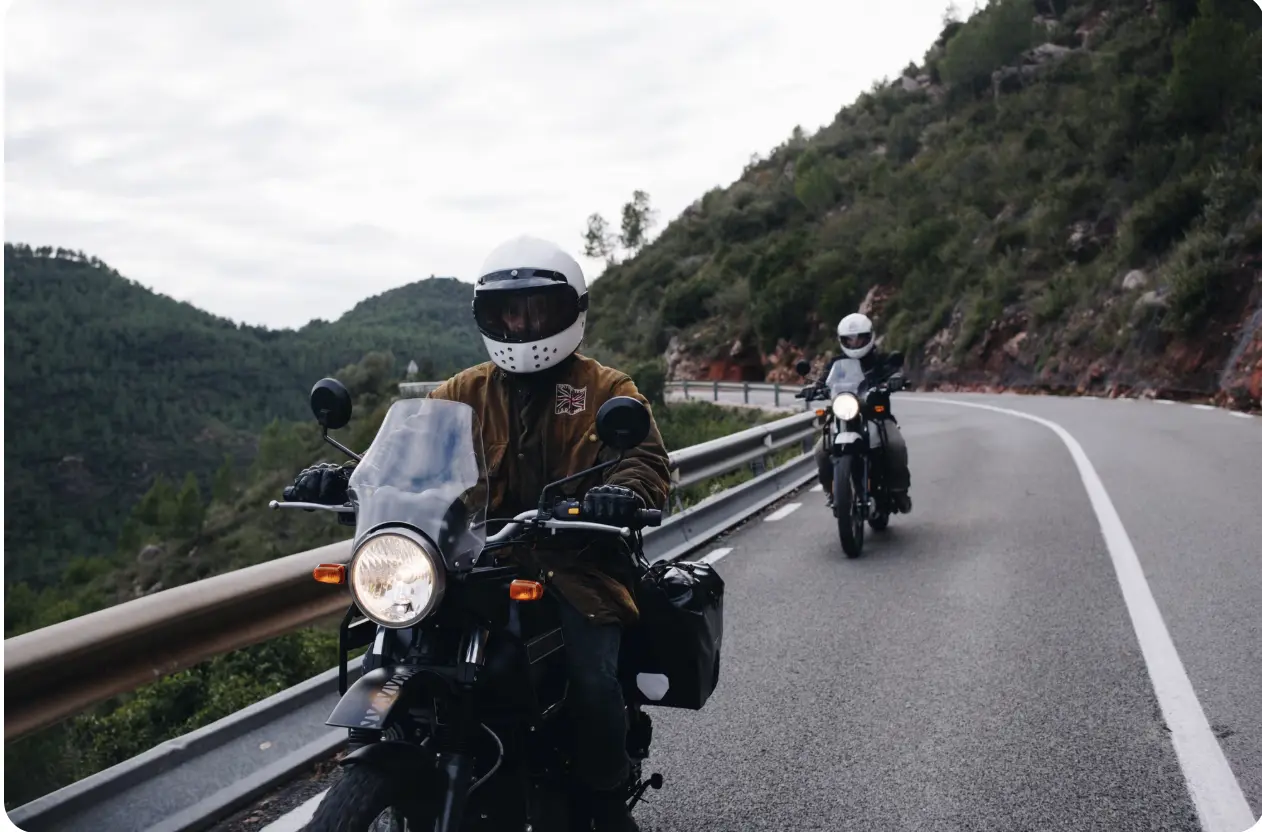
Thailand is one of the most popular destinations in Southeast Asia for exploring by motorbike. From the winding mountain roads of Northern Thailand to the scenic coastal routes of the south, renting a scooter or motorbike offers flexibility, convenience, and low daily costs.
However, many travelers later discover that renting a motorbike is not as straightforward as it appears. While the freedom can be appealing, the combination of unfamiliar roads, legal requirements, insurance limitations, and rental disputes can quickly turn a budget-friendly adventure into an expensive mistake.
This guide explains why some visitors regret renting motorbikes in Thailand and what first-time travelers should consider before deciding to ride.
Why Motorbike Rentals Are So Popular in Thailand
Motorbikes are widely available throughout Thailand and are often one of the cheapest transportation options.
Typical rental costs:
| Vehicle Type | Average Daily Rental Cost |
|---|---|
| Small scooter (110–125cc) | THB 200–350 |
| Mid-size scooter (150–300cc) | THB 350–800 |
| Larger motorcycles | THB 800–2,000+ |
For travelers staying in destinations such as Pai, Chiang Mai, Phuket, Koh Samui, or Krabi, renting a scooter can seem like the easiest way to visit attractions independently.
The problem is that many tourists focus on convenience and price while overlooking the risks.
The Most Common Reasons Travelers Regret Renting Motorbikes
1. Accidents Are More Common Than Many Visitors Expect
Thailand has one of the highest rates of road traffic fatalities in the world, and motorcycles account for a significant proportion of road accidents.
Many visitors arrive with limited riding experience and underestimate local driving conditions, including:
- Heavy urban traffic
- Unpredictable lane changes
- Limited road lighting
- Sharp mountain curves
- Sudden rainstorms
- Potholes and uneven road surfaces
- Animals crossing rural roads
Even experienced riders can find Thailand’s driving environment challenging, particularly in unfamiliar destinations.
2. Insurance May Not Cover You After an Accident
One of the biggest sources of traveler regret involves insurance claims.
Many travel insurance policies contain strict requirements regarding motorcycle use. Coverage may be denied if:
- You do not hold a valid motorcycle license from your home country.
- You do not have the required International Driving Permit (IDP).
- You ride a motorcycle that exceeds the engine size allowed by your license.
- You were not wearing a helmet.
- You were riding illegally under Thai regulations.
In these situations, medical bills, property damage, and vehicle repair costs may become the traveler’s responsibility.
3. License and Legal Requirements Are Often Misunderstood
Many travelers incorrectly assume that a standard car driver’s license allows them to legally ride a scooter in Thailand.
In reality, Thailand generally requires riders to have:
- A valid motorcycle endorsement or motorcycle license from their home country.
- An International Driving Permit (IDP) when applicable.
- A passport or acceptable identification document.
Police checkpoints are common in many tourist destinations, particularly around Chiang Mai, Pai, Phuket, and island destinations.
Riders without proper documentation may receive fines and could face insurance complications if involved in an accident.
4. Rental Damage Disputes Can Be Expensive
Another frequent complaint involves disagreements over vehicle damage.
Some travelers report being charged for:
- Existing scratches
- Cracked mirrors
- Tire damage
- Cosmetic wear and tear
While many rental businesses operate professionally, disputes can occur if damage was not documented before the rental period began.
Repair charges can range from a few hundred baht to several thousand baht depending on the situation.
5. Leaving a Passport as Security Can Create Problems
Some rental shops request a passport as collateral.
Although this practice still exists in certain areas, many travel experts advise against surrendering your original passport.
Potential risks include:
- Difficulty retrieving the passport during disputes
- Limited access to identification during your trip
- Complications if the passport is lost or misplaced
A cash deposit is generally a safer alternative when available.
6. Weather Conditions Can Change Quickly
Thailand’s tropical climate creates additional challenges for riders.
During the rainy season, roads can become:
- Slippery
- Flooded
- Muddy
- Difficult to navigate
Mountain destinations such as Pai, Mae Hong Son, and parts of Northern Thailand may experience reduced visibility during rain or fog.
Night riding can be particularly hazardous due to limited lighting and reduced road visibility.
Hidden Costs That Travelers Often Overlook
Although daily rental rates appear inexpensive, additional expenses can add up quickly.
Potential costs include:
| Expense | Typical Cost |
| Rental fee | THB 200–2,000+ per day |
| Fuel | THB 50–200 per day |
| Police fines | Varies by violation |
| Minor repairs | THB 500–5,000+ |
| Major accident expenses | Potentially tens of thousands of THB |
| Medical treatment | Varies significantly |
A single accident can cost far more than the transportation savings gained from renting a motorbike.
How to Reduce the Risks
If you decide to rent a motorbike in Thailand, follow these precautions:
Before Renting
- Confirm that you have a valid motorcycle license.
- Carry an International Driving Permit if required.
- Read your travel insurance policy carefully.
- Choose a reputable rental business.
- Avoid shops that insist on keeping your passport.
Before Leaving the Rental Shop
- Photograph the bike from every angle.
- Record videos showing existing scratches and damage.
- Check brakes, lights, mirrors, and tires.
- Verify fuel levels.
While Riding
- Always wear a helmet.
- Avoid riding after consuming alcohol.
- Drive cautiously during rain.
- Avoid riding unfamiliar mountain roads at night.
- Stay within your skill level.
Is Renting a Motorbike Worth It?
For experienced riders with the correct license, insurance coverage, and confidence operating in foreign traffic conditions, renting a motorbike can be an enjoyable way to explore Thailand.
For first-time visitors or inexperienced riders, however, the risks often outweigh the convenience.
Many travelers who regret renting a motorbike do not regret the vehicle itself. Instead, they regret underestimating the legal, financial, and safety responsibilities that come with riding in Thailand.
Making an informed decision before renting can help you avoid costly mistakes and enjoy a safer trip.
Frequently Asked Questions
1. Do I need a motorcycle license to rent a scooter in Thailand?
Many rental shops may rent scooters without checking licenses, but legally you should have a valid motorcycle license and any required International Driving Permit.
2. Can I use my regular car driver’s license to ride a scooter?
In most cases, no. A car license alone generally does not authorize motorcycle operation under Thai law.
3. Is travel insurance valid if I crash on a rented scooter?
Coverage depends on your policy. Many insurers require a valid motorcycle license and legal operation of the vehicle.
4. How much does it cost to rent a scooter in Thailand?
Small scooters typically cost between THB 200 and THB 350 per day, depending on the destination and season.
5. Should I leave my passport with a rental company?
It is generally safer to provide a photocopy and leave a cash deposit when possible rather than surrendering your original passport.
6. What should I inspect before accepting a rental bike?
Check tires, brakes, lights, mirrors, body panels, fuel level, and any existing scratches or damage.
7. Are helmets required in Thailand?
Yes. Wearing a helmet is required by law and significantly reduces injury risk.
8. Is it safe to ride a motorbike in Thailand during the rainy season?
Extra caution is necessary. Wet roads, reduced visibility, and flooding increase accident risks.
9. What happens if I damage a rental motorbike?
You may be responsible for repair costs depending on the rental agreement and insurance coverage.
10. What are the best alternatives to renting a motorbike?
Options include taxis, ride-hailing services, songthaews, local buses, private transfers, and organized tours depending on the destination.
For a Complete Travel Guide
For more detailed information on transportation options, booking tips, itinerary suggestions, and everything you need to know about planning your trip, visit our full guide:
