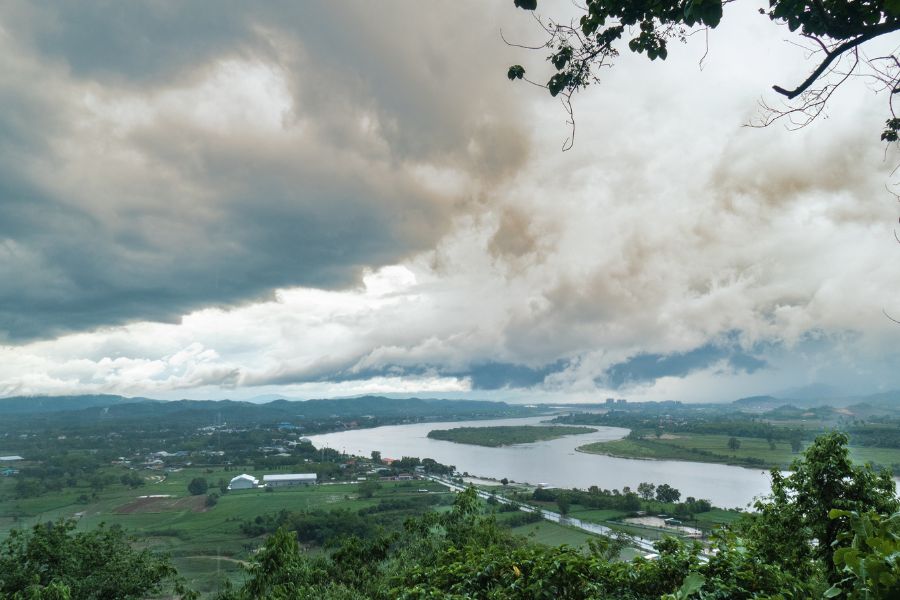
Traveling between Chiang Rai and Chiang Saen covers approximately 58 km via Highway 1 (Phahonyothin Road) and Route 1016. The journey typically takes around 55–70 minutes under normal traffic conditions. Roads are generally well paved and in good condition; however, northern Thailand’s rural traffic patterns and seasonal weather require careful planning.
This guide provides practical safety advice on road conditions, transport options, local customs, border considerations, and health precautions to help you travel confidently.
1. Road Conditions and Driving Safety
General Road Quality
- Highways 1 and 1016 are mostly smooth, sealed roads.
- Signage is clear in Thai and often in English.
- Traffic is moderate, increasing near town centers and markets.
Key Safety Considerations
Road accidents remain the primary travel risk in northern Thailand. Contributing factors include:
- Frequent motorbikes weaving between vehicles
- Limited traffic law enforcement in rural areas
- Occasional livestock crossing highways
- Variable road lighting outside urban areas
Practical Driving Tips
- Always wear seatbelts.
- Avoid night driving where possible due to limited lighting and visibility.
- Reduce speed during rain, particularly in the green season (approximately May–October).
- Remain alert for sudden motorbike overtaking.
- Keep headlights on during heavy rain or haze.
As of early 2026, there are no major reported structural issues on this route, but standard road caution applies.
2. Transportation Options and Safety Comparison
Several transport options are available, each with different cost and safety considerations.
| Method | Travel Time | Estimated Cost (THB) | Safety Notes |
|---|---|---|---|
| Private Taxi | 55–60 min | THB 650–800 | Door-to-door convenience; safest and most comfortable option |
| Bus + Taxi (via Mae Chan) | ~1.5 hrs | THB 420–500 | Budget-friendly; confirm taxi fare before departure |
| Rental Motorbike | ~55 min | THB 300 per day | Suitable only for experienced riders; helmet essential |
| Rental Car | ~55 min | THB 700–1,500 per day | Flexible and safe if confident driving in Thailand |
Recommended Option
For families or first-time visitors, a private taxi offers the safest and most straightforward experience. Independent drivers should ensure they are comfortable navigating rural Thai traffic.
Motorbike Rental Warning
Motorbikes carry higher risk:
- Always wear a certified helmet.
- Carry an International Driving Permit (IDP).
- Inspect the vehicle thoroughly and photograph existing damage before rental to avoid disputes.
3. Local Customs and Traffic Etiquette
Understanding local driving culture improves safety:
- Motorbikes often pass on either side without warning.
- Vehicles may stop abruptly for roadside vendors or temples.
- Honking is used as a warning signal rather than aggression.
- Drivers sometimes make U-turns across divided highways at designated openings.
Maintain a calm and defensive driving style.
4. Border Crossing Considerations
Chiang Saen sits near the Mekong River, close to Laos. However:
- There is no standard tourist pedestrian border crossing directly in Chiang Saen.
- Travelers planning onward travel to Laos typically use official checkpoints such as the border near the Golden Triangle area.
- Always carry your passport when traveling near border zones.
- Do not rely on informal boat crossings.
Verify visa requirements before attempting any cross-border travel.
5. Scams and Theft Prevention
Chiang Rai and Chiang Saen are generally safe, but minor scams occur.
Common Issues
- Inflated taxi fares if prices are not agreed in advance
- Claims that attractions are “closed” to redirect tourists
- Gem shop or souvenir shop pressure tactics
Prevention Tips
- Confirm transport prices before departure.
- Use hotel safes where available.
- Avoid carrying large amounts of cash.
- ATMs are limited in smaller areas of Chiang Saen—withdraw cash in Chiang Rai if needed.
- For emergencies, Tourist Police can be reached at 1155.
6. Health and Environmental Precautions
Drinking Water
- Drink bottled or filtered water only.
- Avoid ice unless from reputable establishments.
Mosquito Protection
- Apply repellent, especially near the Mekong River.
- Wear light, long-sleeved clothing during evenings.
Heat Safety
Northern Thailand’s dry season can be hot:
- Stay hydrated.
- Avoid long roadside stops under direct sun.
- Take breaks during longer journeys.
Medical Facilities
Chiang Saen Hospital can manage basic medical needs. For serious conditions, evacuation to Chiang Rai (approximately one hour away) may be necessary. Comprehensive travel insurance is strongly recommended.
7. Seasonal Considerations
| Season | Months | Conditions | Travel Advice |
|---|---|---|---|
| Cool & Dry | Nov–Feb | Pleasant temperatures | Ideal travel period |
| Hot Season | Mar–Apr | High heat, possible haze | Hydrate frequently |
| Rainy Season | May–Oct | Sudden heavy showers | Drive cautiously; reduce speed |
Weather changes quickly during the rainy season. Monitor forecasts before departure.
Final Travel Advice
The Chiang Rai to Chiang Saen route is generally safe and straightforward. Most risks relate to road awareness and seasonal weather rather than crime. By choosing appropriate transport, practicing defensive driving, and preparing for heat and rural conditions, you can enjoy a smooth and secure journey.
Frequently Asked Questions (FAQs)
1. Is it safe to drive from Chiang Rai to Chiang Saen?
Yes. Roads are well paved, but drivers should remain cautious due to motorbikes and rural traffic conditions.
2. How long does the journey take?
Typically 55–70 minutes, depending on traffic and weather.
3. What is the safest transport option?
A private taxi (THB 650–800) offers the safest and most convenient experience.
4. Are buses reliable on this route?
Yes, but they may require a taxi connection from Mae Chan to Chiang Saen.
5. Is night driving recommended?
Not ideal due to limited lighting and rural road visibility.
6. Can tourists cross into Laos from Chiang Saen?
Border crossings are limited. Check official checkpoints and visa requirements before planning.
7. Are there frequent police checkpoints?
Occasionally, especially near border zones. Carry your passport at all times.
8. Is travel insurance necessary?
Highly recommended, particularly if renting a vehicle or motorbike.
9. Are ATMs available in Chiang Saen?
Yes, but fewer than in Chiang Rai. Withdraw sufficient cash beforehand.
10. When is the best time to travel this route?
November to February offers the most comfortable weather conditions.
For a Complete Travel Guide
For more detailed information on transportation options, booking tips, itinerary suggestions, and everything you need to know about planning your trip, visit our full guide:
