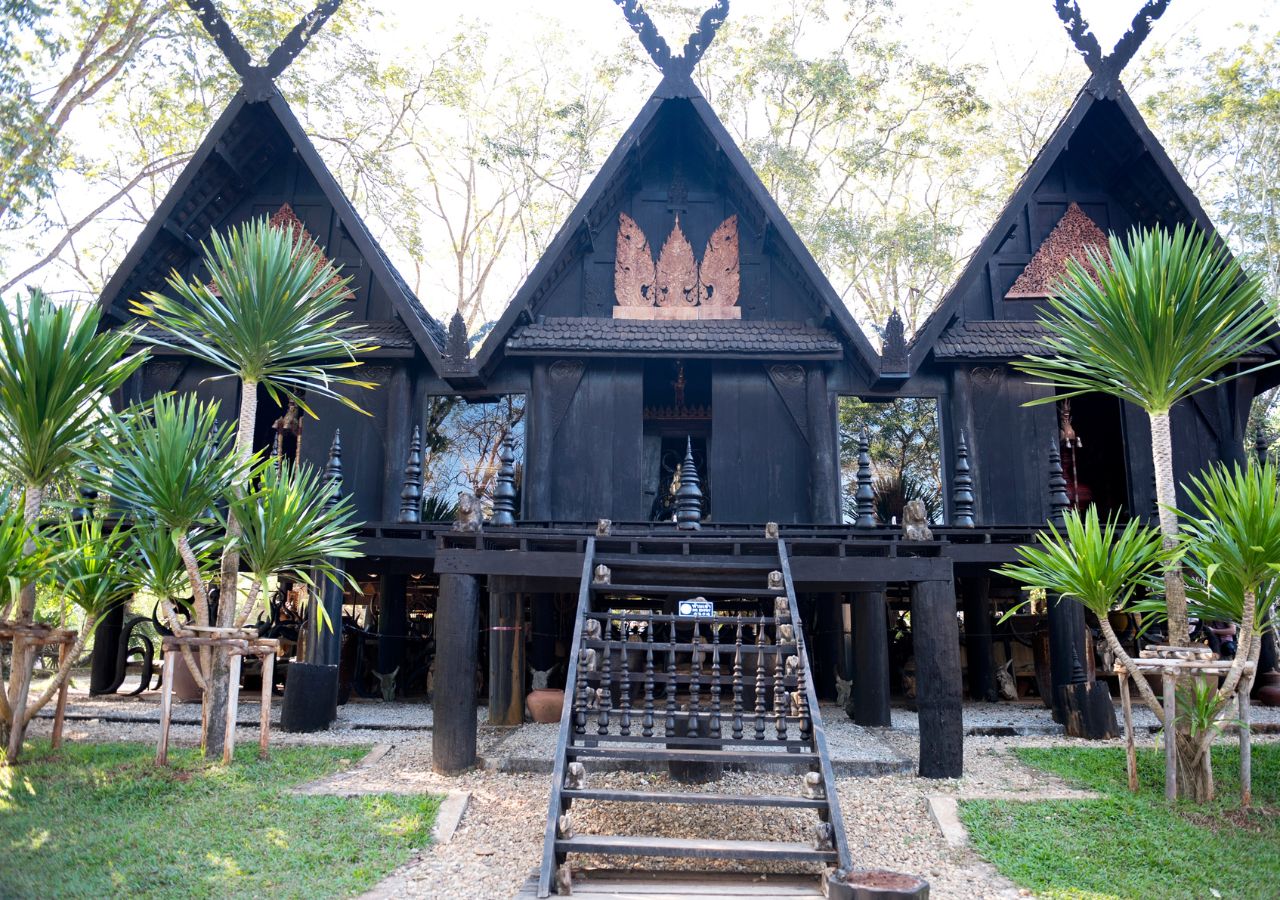
Northern Thailand is known for its mountain scenery, historic temples, relaxed atmosphere, and strong cultural traditions. While the region follows the same general etiquette as the rest of Thailand, travelers will often notice a greater emphasis on calm behavior, modesty, and respect for local customs, especially in smaller towns, temples, and hill community areas.
For first-time visitors, understanding a few basic cultural expectations can make travel smoother, more respectful, and more rewarding.
Why Etiquette Matters in Northern Thailand
Many destinations in Northern Thailand, including Chiang Mai, Chiang Rai, Pai, and Mae Hong Son, have deep religious and cultural roots. Temples remain active places of worship, and many local communities maintain traditional lifestyles.
Visitors who show patience, politeness, and cultural awareness are usually welcomed warmly by local residents.
Temple Etiquette in Northern Thailand
Temples are among the region’s most important cultural and spiritual landmarks. Appropriate behavior is expected at all religious sites.
Dress Modestly
When visiting temples or sacred locations:
- Cover shoulders and knees
- Avoid revealing clothing
- Remove hats and sunglasses inside temple buildings
- Wear easily removable shoes, as footwear must usually be left outside
Lightweight long pants, skirts below the knee, and loose shirts are ideal for temple visits in Thailand’s warm climate.
Remove Shoes Before Entering
Shoes should be removed before entering:
- Temple halls
- Prayer rooms
- Some traditional homes and guesthouses
Look for shoe racks or piles of shoes near entrances as a visual cue.
Respect Buddha Images
Buddha images are highly respected in Thai culture. Visitors should:
- Never climb on Buddha statues
- Avoid sitting or posing disrespectfully for photos
- Keep feet pointed away from Buddha images
- Avoid touching sacred objects unless invited
Even small Buddha statues should be treated respectfully.
Be Mindful of Thresholds
In many traditional buildings and temples, locals step over door thresholds rather than directly on them. This custom is associated with respect and spiritual beliefs.
Greeting People Politely
Thai culture values calm and friendly interactions.
Understanding the Wai Greeting
The traditional Thai greeting, called the wai, involves placing palms together with a slight bow.
Travelers are not expected to initiate a wai in every situation, but returning one politely is appreciated.
In general:
- A smile and polite attitude are often enough
- Staff in hotels or shops may greet visitors with a wai
- Returning the gesture respectfully is considered good manners
Speak Calmly and Patiently
Northern Thailand is known for its slower pace and relaxed atmosphere.
Visitors should avoid:
- Raising their voice
- Public arguments
- Aggressive or impatient behavior
Maintaining composure is highly valued in Thai culture.
Etiquette Around Monks
Monks are deeply respected throughout Thailand, especially in Northern provinces where temples play a central community role.
Important Rules for Women
Women should avoid directly touching monks or handing objects directly to them.
If giving an item:
- Place it on a table or cloth
- Allow the monk to pick it up himself
This practice follows traditional Buddhist customs.
Show Respect in Temple Areas
When monks are present:
- Speak quietly
- Avoid blocking pathways
- Give space during ceremonies or prayers
- Observe local behavior before taking photographs
Photography is usually permitted in temples, but visitors should remain respectful and avoid disrupting worship.
Everyday Cultural Etiquette
Several small behaviors that may seem minor elsewhere are considered important in Thailand.
Remove Shoes Indoors
Besides temples, shoes are often removed when entering:
- Homes
- Small guesthouses
- Some cafés and shops
- Yoga studios or massage spaces
If unsure, check whether shoes are left outside the entrance.
Avoid Pointing With Your Feet
In Thai culture, feet are traditionally viewed as the lowest and least respectful part of the body.
Avoid:
- Pointing feet toward people or religious objects
- Resting feet on chairs or tables
- Using feet to move objects
Do Not Touch Someone’s Head
The head is considered the most respected part of the body in Thai culture.
Avoid touching another person’s head, including children, unless clearly appropriate.
Respect for the Monarchy and National Symbols
Thailand has strong cultural respect for the royal family and national traditions.
Travelers should:
- Avoid disrespectful comments about the monarchy
- Stand respectfully during the national anthem or royal anthem in public places and cinemas
- Follow local behavior during formal moments
These customs are taken seriously throughout the country.
Understanding the “Mai Pen Rai” Attitude
A common Thai phrase, mai pen rai, roughly means “it’s okay” or “no worries.”
In practice, this reflects a cultural preference for:
- Patience
- Flexibility
- Avoiding unnecessary conflict
- Staying calm during inconveniences
Travelers who adapt to this mindset often find interactions smoother and more enjoyable.
Etiquette in Hill Tribe and Rural Communities
Northern Thailand is home to several ethnic minority communities and mountain villages.
When visiting rural areas:
- Ask permission before photographing people
- Dress modestly
- Avoid loud behavior
- Support local businesses respectfully
- Follow guidance from local hosts or guides
Many villages value privacy and traditional customs.
Simple Etiquette Tips for First-Time Visitors
Here are a few easy rules to remember while traveling in Northern Thailand:
| Situation | Recommended Behavior |
|---|---|
| Entering temples | Remove shoes and dress modestly |
| Greeting locals | Smile and remain polite |
| Around monks | Give space and behave quietly |
| Visiting homes | Remove shoes before entering |
| Public interactions | Stay calm and avoid confrontation |
| Unsure about customs | Observe local behavior first |
Final Thoughts
Northern Thailand is one of Southeast Asia’s most culturally rich and welcoming regions. Travelers do not need to understand every custom perfectly, but showing basic respect, patience, and cultural awareness goes a long way.
In most situations, locals appreciate visitors who are modest, calm, and willing to follow local customs. By respecting temple traditions, everyday etiquette, and community norms, travelers can enjoy more meaningful experiences throughout the region.
FAQs About Northern Thailand Travel Etiquette
1. What should tourists wear when visiting temples in Northern Thailand?
Visitors should wear clothing that covers shoulders and knees. Lightweight long pants, long skirts, and modest tops are recommended.
2. Do travelers always need to remove shoes in Thailand?
Shoes should usually be removed before entering temples, homes, and some businesses or guesthouses.
3. Is it rude to point with your feet in Thailand?
Yes. Pointing feet at people, Buddha images, or sacred objects is considered disrespectful in Thai culture.
4. Can tourists take photos inside temples?
Photography is often allowed, but visitors should avoid disturbing worshippers or taking inappropriate poses with religious objects.
5. How should travelers greet local people?
A smile and polite attitude are usually sufficient. Returning a wai greeting respectfully is appreciated.
6. What should women know about interacting with monks?
Women should avoid touching monks or handing objects directly to them. Items should be placed down for monks to pick up.
7. Is Northern Thailand more traditional than Bangkok or Phuket?
In many areas, yes. Smaller towns and rural communities in Northern Thailand often place stronger emphasis on traditional customs and respectful behavior.
8. What does “mai pen rai” mean?
It roughly translates to “no worries” or “it’s okay” and reflects the Thai preference for patience and avoiding conflict.
9. Should travelers stand during the national anthem in Thailand?
Yes. It is respectful to stand still during the national anthem or royal anthem in public places and cinemas.
10. What is the best etiquette rule to remember in Northern Thailand?
If unsure, observe local behavior and follow the lead of residents, especially in temples and traditional communities.
For a Complete Travel Guide
For more detailed information on transportation options, booking tips, itinerary suggestions, and everything you need to know about planning your trip, visit our full guide:
